Gustin Heavyweight Natural Leather Belt: It's Built Like a Piece of Equipment
Made in USA and built to last a lifetime, there's nothing that will destroy this belt — even having an extra beer belly hanging over it

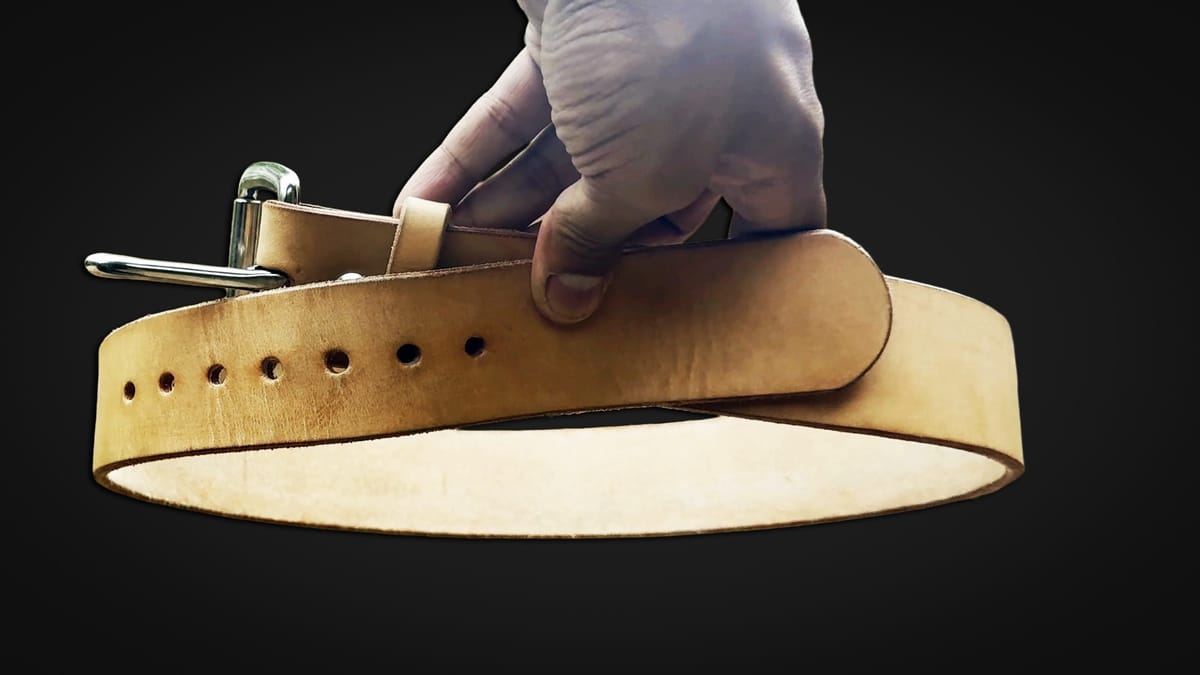
Regular belts tend to kind of disappear into the background: they hold up your pants, survive through a few years of daily wear, and rarely demand much attention. I mean, when's the last time you oiled your belt?
But great belts? These become part of your wardrobe's story, and a trusted companion literally strapped to your body. They age, darken, soften, stretch, and develop character in a way that few accessories can.
The Gustin Heavyweight Natural Belt falls firmly into the second category, in case you weren't sure where I was going with this.
At first glance you can tell the belt is built to be dependable — a heavy 14oz cut of natural vegetable-tanned leather paired with a substantial metal buckle.
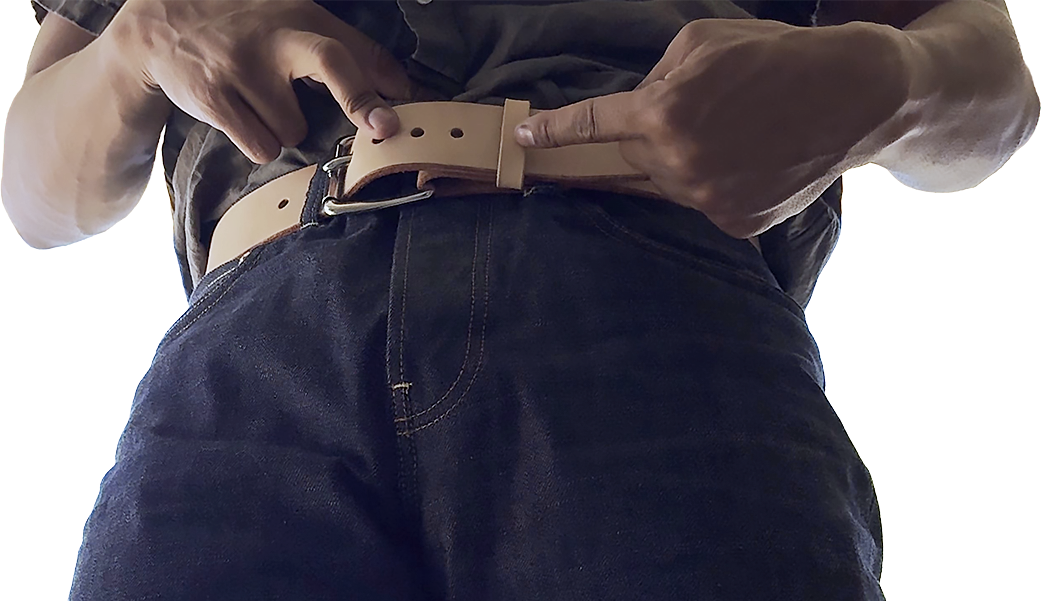
It becomes clear that this isn't your average department store belt, yet it's priced less than a lot of them — and most other belts built to this caliber. It's thicker, wider and considerably more substantial than what most people are accustomed to wearing.
After spending time with the belt, it's easy to see why the Gustin brand and its audience crowdfunded this thing.
Just before we get to the review
Gustin has two ways to buy from them:
- Crowdfunding, where the item is cheaper but takes a couple of months to be made. You get wholesale prices without having to buy wholesale
- Their stock store, where they keep a limited amount of items and overflow that costs slightly more, but you get your items much sooner
If you already know that you want something, grab it from their stock before they run out, or you'll need to wait for it to come back around.
First impressions
The first thing that stands out with the belt is the sheer thickness of the leather.
Made from thick vegetable-tanned leather and cut to a generous 1.75-inch width (don't try this thing with dress pants), it feels a little closer to work gear than a casual belt.
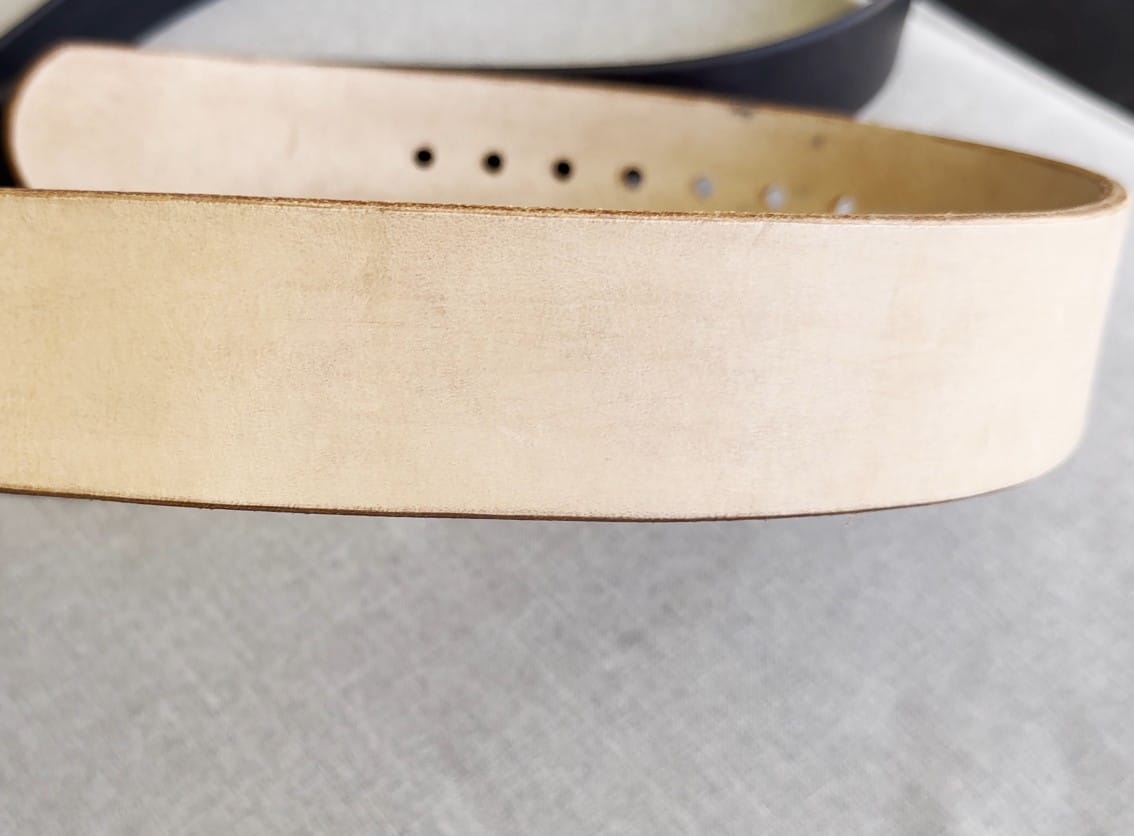
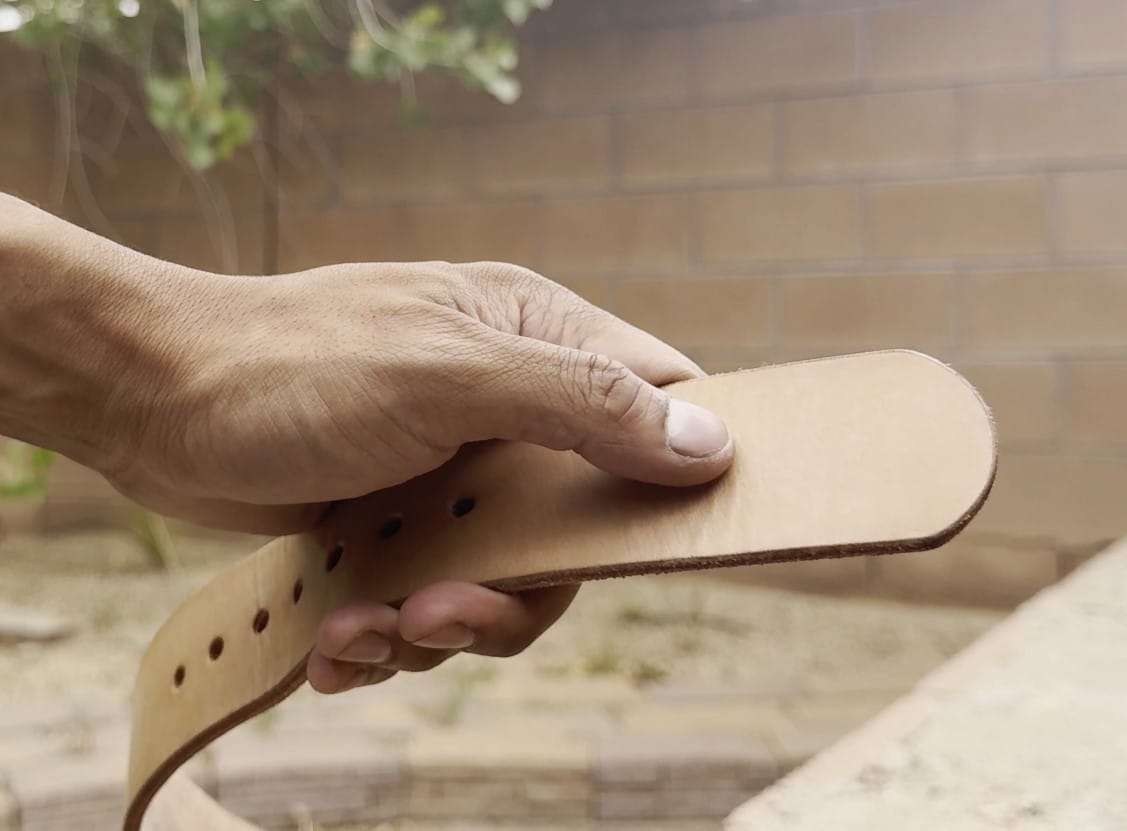
Left: brand new, unaltered natural leather; Right: a day after one coat of leather conditioner (I used a cheap Walmart brand personally)
The leather arrives in its natural, unfinished color — a very pale tan that most non-leather enthusiasts tend not to enjoy the look of. A lot of people find it too light, as it's the most naturally light color you can get from a veg-tanned hide.
For people in the know, that's actually a huge part of the appeal:
This type of leather is designed to evolve over time, and noticeably.
Exposure to sunlight, the rubbing of oils from your hands, and moisture from the elements and your body all gradually transform the leather from its natural light shade into a rich golden-brown patina. And no two belts will age exactly alike.
For leather enthusiasts, denim-heads and lovers-of-heritage, that gradual progress is a great joy to behold. As time passes and as we live our lives, our belt changes with us.
Understanding vegetable-tanned leather
Aside from the nerdy "raw" natural aspect of the belt, one of the other biggest selling points is its use of vegetable-tanned leather.
Vegetable tanning is an age old process, one of the oldest methods of leather production, which relies on natural tannins derived from plants.
Rather than chrome tanning, which utilizes chromium salts that degrade the collagen fibers found within animal hides, veg-tanning is a process that leaves the leather hardy and considerably more durable.
A hide can also be combination tanned, which utilizes both methods of tanning to create unique and supple but still hardy leathers.
If you've ever admired the way an old pair of boots or old leather wallet looks, there's a good chance vegetable tanning played a role in the appearance.
These marks aren't flaws though — they become part of your item's history.
It's the thickest leather belt you can buy
Gustin uses notably heavier leather for this belt than their other offerings, like the Horween latigo belts (I've owned two similar ones, amazing).
The weight of the leather is 13–14 ounces per square foot, placing its weight well above what you'll find elsewhere, and well below in price if you do happen to find another belt this heavy.
That extra thickness serves several purposes:
First, it helps the belt maintain its shape over years of use. Cheap belts often stretch, sag, or develop permanent bends or cracks. Heavier leather resists those issues far better.
Is this necessarily an issue if the belt in question still fits around your waist and holds up your pants? Not really, but we're talking about fashion and style details, to be fair.
Second, the heft gives the belt a reassuring sense of durability. This isn't the type of belt that feels flimsy when supporting a pair of heavyweight selvedge jeans, carrying tools on it, or handling wear & tear every day.
Finally, there's simply the tactile experience: leather enthusiasts often talk about "hand"—the way a material feels in your hands. The Gustin Heavyweight Belt has a density and substance that immediately communicates quality. You see it in the fine cuts and the bees-waxed burnished edges.
It's the sort of belt that will outlast many pairs of jeans — a steady life companion.
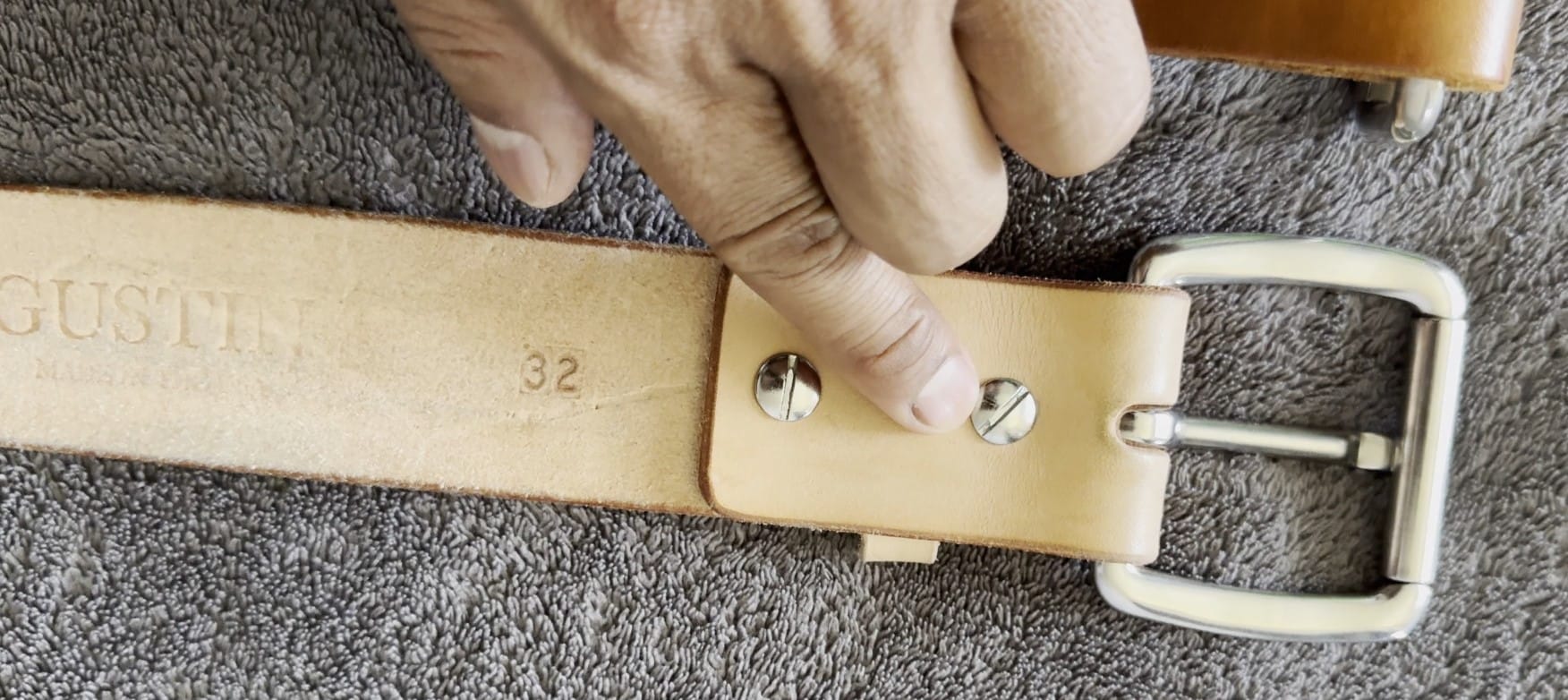
Made in the USA
One aspect of the belt that may appeal to many people is that it's cut and assembled in California; good ol' US-of-A, baby.
While "Made in USA" isn't automatically a guarantee of the best quality (with Gustin it is), it often carries additional value for those who prefer supporting domestic manufacturing and keeping valuable skills within the country.
In a market flooded with imported leather goods of varying quality, it's refreshing to see a straightforward American-made option that doesn't venture into luxury-brand pricing.
It's a really, really good value
One reason Gustin has developed a loyal following is their ability to deliver premium materials and high-end construction that would often command significantly higher prices through traditional retail channels.
The Heavyweight Natural Belt we've talked about today is only one good example.
If you're not into heritage and quality menswear, then at a glance, spending $89 on a belt may seem expensive compared to options found at big-box retailers.
But once you start comparing belts at various quality levels, you'll soon see why higher end belts like this cost more. And I've bought some really cheap full grain leather belts, personally.
In many ways, this Gustin belt follows the same philosophy that attracts people to quality denim, boots, and leather goods in the first place: buy one good thing for a long time instead of replacing several mediocre ones quickly.
Whether that philosophy actually saves money depends on the individual, but it almost always results in a more satisfying experience.
As they say "buy once, cry once." And here, you're not even paying an arm nor a leg.
Who is this belt for?
This heavyweight belt isn't for everyone.
If you primarily wear lightweight chinos, dress trousers, and have pants with narrower belt loops, the 1.75-inch width will feel excessive. Likewise, anyone looking for a polished dress belt should probably look elsewhere, but I think that's obvious.
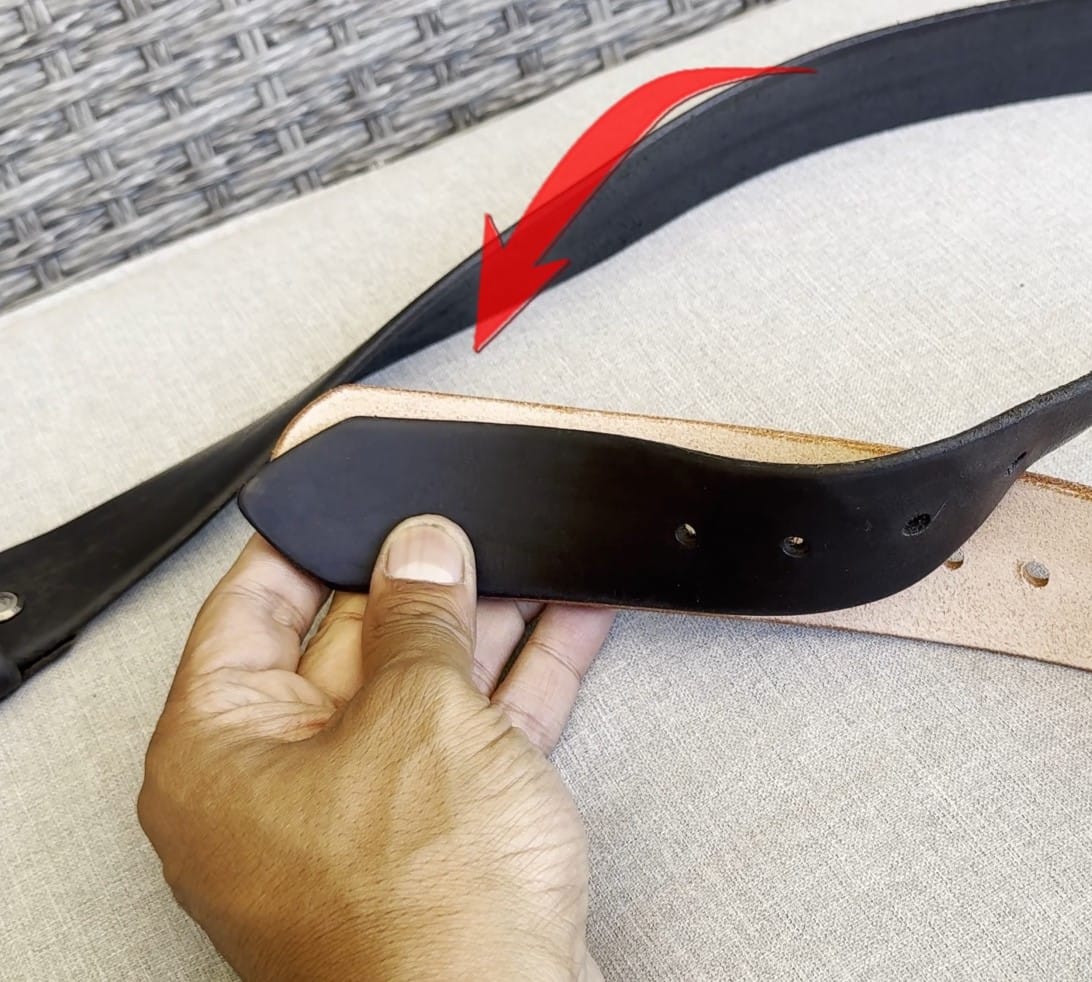
This is a casual belt that's most at home with raw denim, workwear, fatigues, boots, flannels, and other rugged wardrobe staples.
The belt is also ideal for people who enjoy watching leather age naturally over time. The light natural color provides a front-row seat to the patina process, allowing every scratch, crease, and soiled area to become part of your belt's story.
Those who prefer their leather to look identical year after year may not appreciate what makes this belt special.
There's a lighter weight alternative
And hey, if you wanted a natural leather belt that's not so wide and thick, check out Gustin's more regular-sized one. And if you're getting in on the crowdfunding, it's only $49. Hard to beat.
 Gustin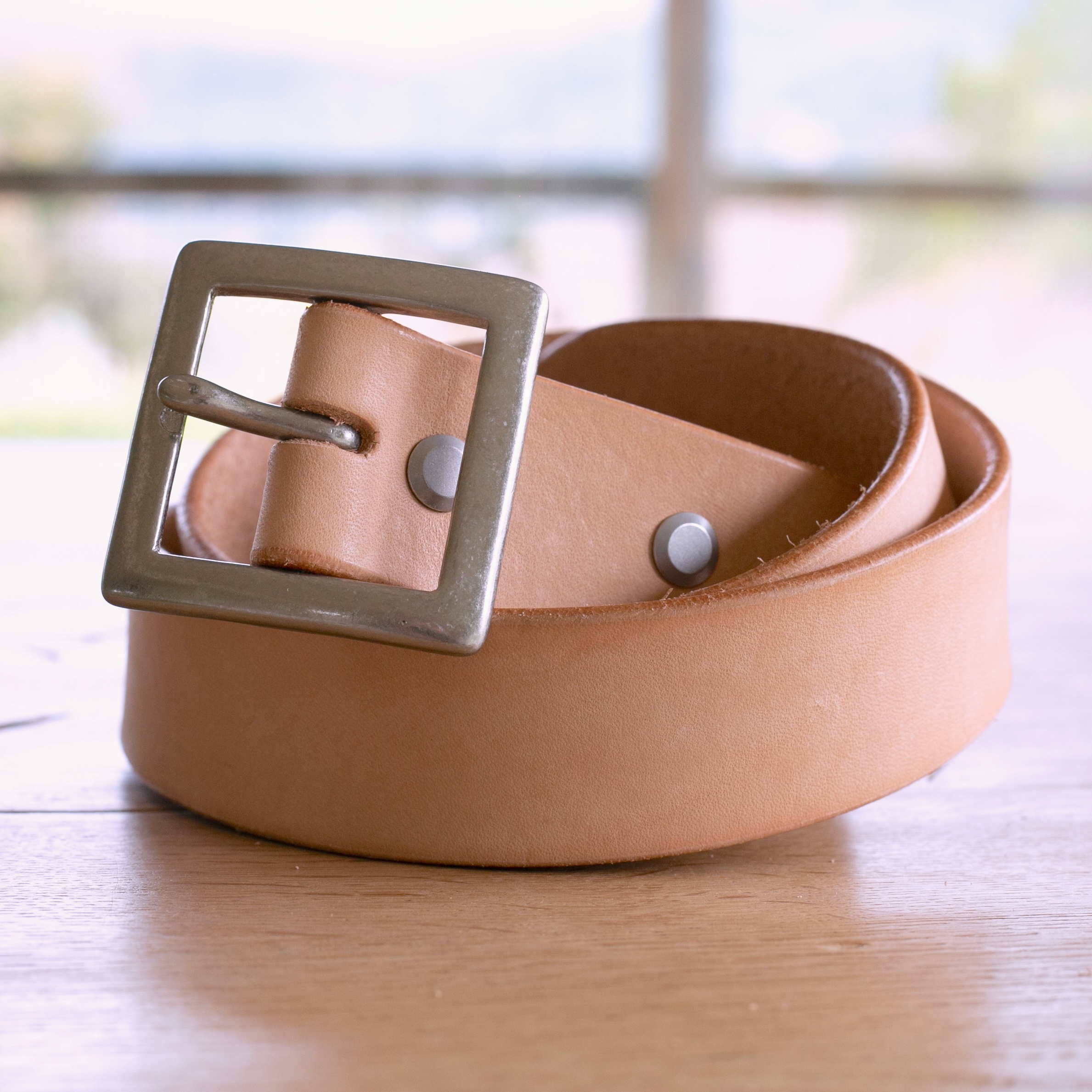
Less weight, less width, less thickness, same quality make
What size to buy when purchasing full grain leather belts
This pertains to the vast majority of any quality leather belt that you buy: belts are measured from where the buckle attaches, to the center hole of the belt.
That means if you measure your waist and get 31 inches, your belt size from Gustin is size 32. That's just about what I measure, and what I bought.
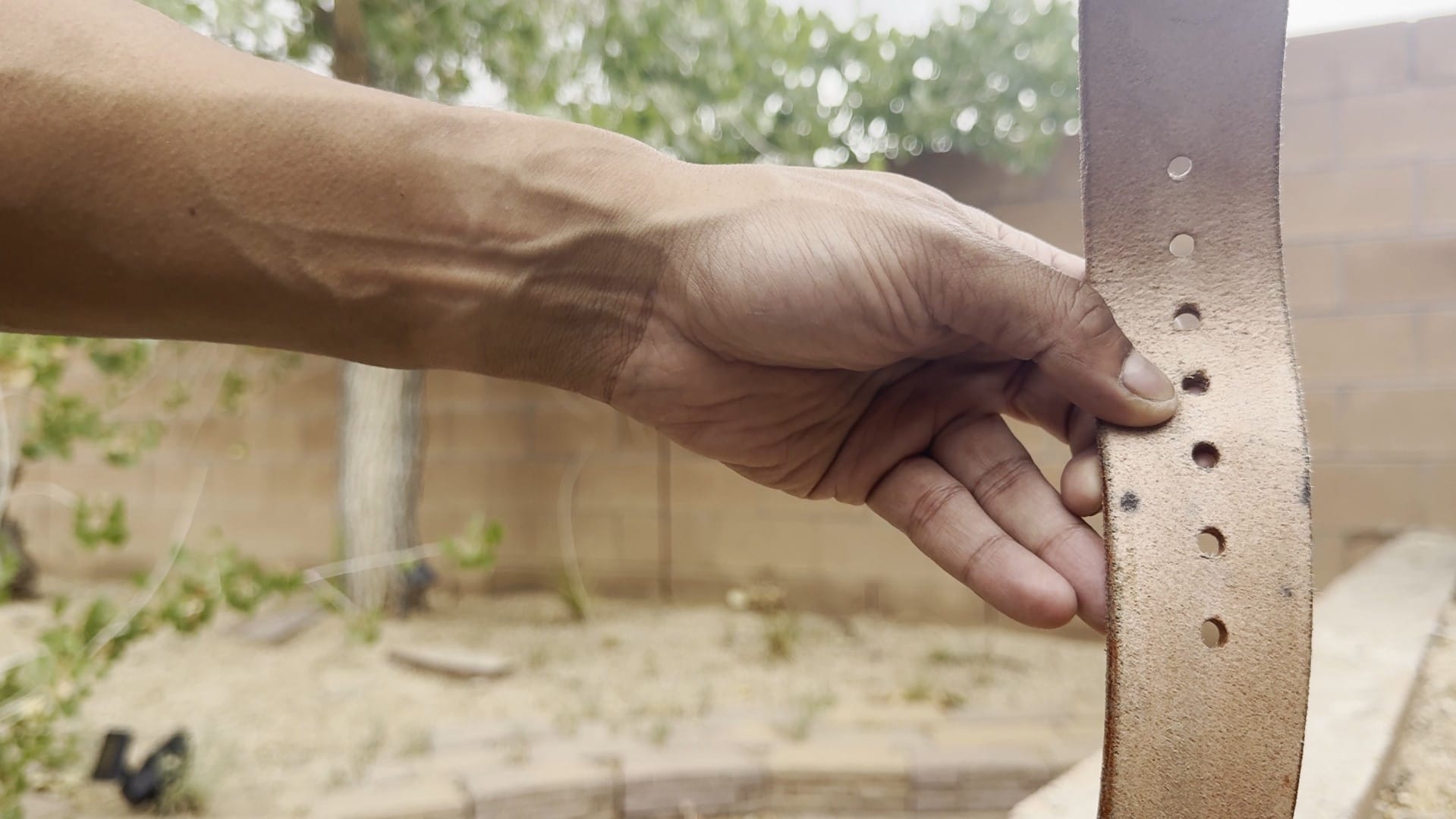
Many people buying a size 34 belt, for example, will likely own size 32 waist jeans (which tend to measure around 33–34 inches due to vanity sizing).
Final thoughts
The Gustin Heavyweight Natural Belt succeeds because it doesn't try to do anything complicated.
It's just a thick cut of quality vegetable-tanned leather paired with durable hardware and assembled in the United States. There are no exotic materials, gimmicks, or trendy design elements stamped or sewn into the belt.
Instead, the focus is on durability, the aging potential, and its lifetime value.
Like a good pair of raw denim jeans or a well-made pair of leather boots, the belt improves through use rather than deteriorating from it. But unlike those things, which can't really be "buy-it-for-life" necessarily — a heavyweight belt like this absolutely is a lifetime investment.
As the leather darkens, softens, and develops a certain character that can't be manufactured or replicated, remember this:
Stay splished. That's all. Thank you for reading.
Leave a public comment below or reply privately to my newsletters!
Learn more about Gustin
 Bryan
Bryan
Read our coverage of Gustin. Splished is an independent editorial and doesn't claim to be associated with brands that it covers.
Watch the YouTube review
Chill with me as we nerd out about belts and heritage clothing