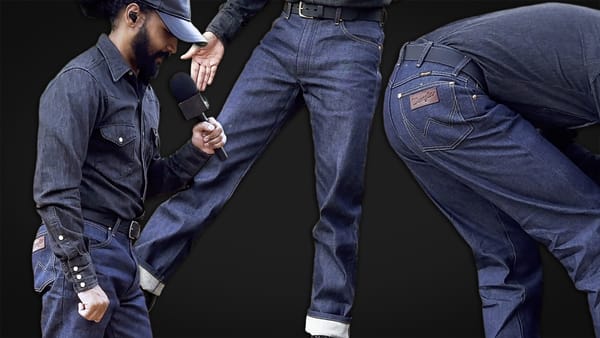
Weirloom: These Regular Fit, Raw Jeans Aren't So Regular
Using Candiani selvedge denim out of Italy already sets these well-crafted jeans apart from the very start

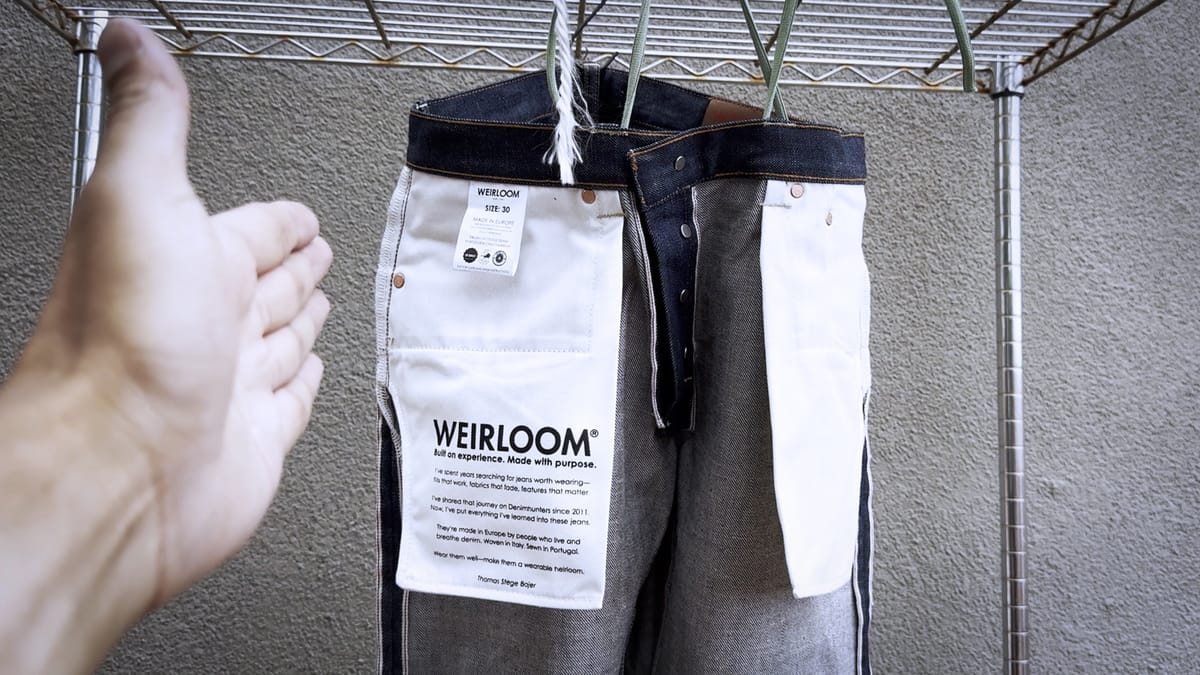
Raw denim is a category full of extremes.
On one side are Japanese selvedge jeans loaded with texture and hidden details, with perfect stitching; on the other side are fashion brands selling "premium" jeans that have a red line on the outseam, but little connection to the history or heritage that's seen with actual passionate denim makers.
The WL#1 from Weirloom sits in the middle of that.
A first glance, it looks like a straightforward pair of raw selvedge jeans. But when you look into them more closely and read the product page, you'll learn that this isn't just ordinary mass-produced denim from somewhere like The Gap using Kaihara denim.
When I learned that the selvedge Weirloom uses comes from an Italian mill, Candiani Denim, I became much more intrigued by the prospect of reviewing these.
Candiani has been around since 1938 and is considered the greenest denim mill in the world, all while producing unique fabrics that are highly sought after beyond Europe.
As well, the jeans are designed by someone who has spent over two decades helping people understand what actually matters when buying denim. In this article you'll learn more about that too.
Rather than chasing trends, Weirloom and its WL#1 raw selvedge jeans focus on fit, construction, and wearability — for years to come.
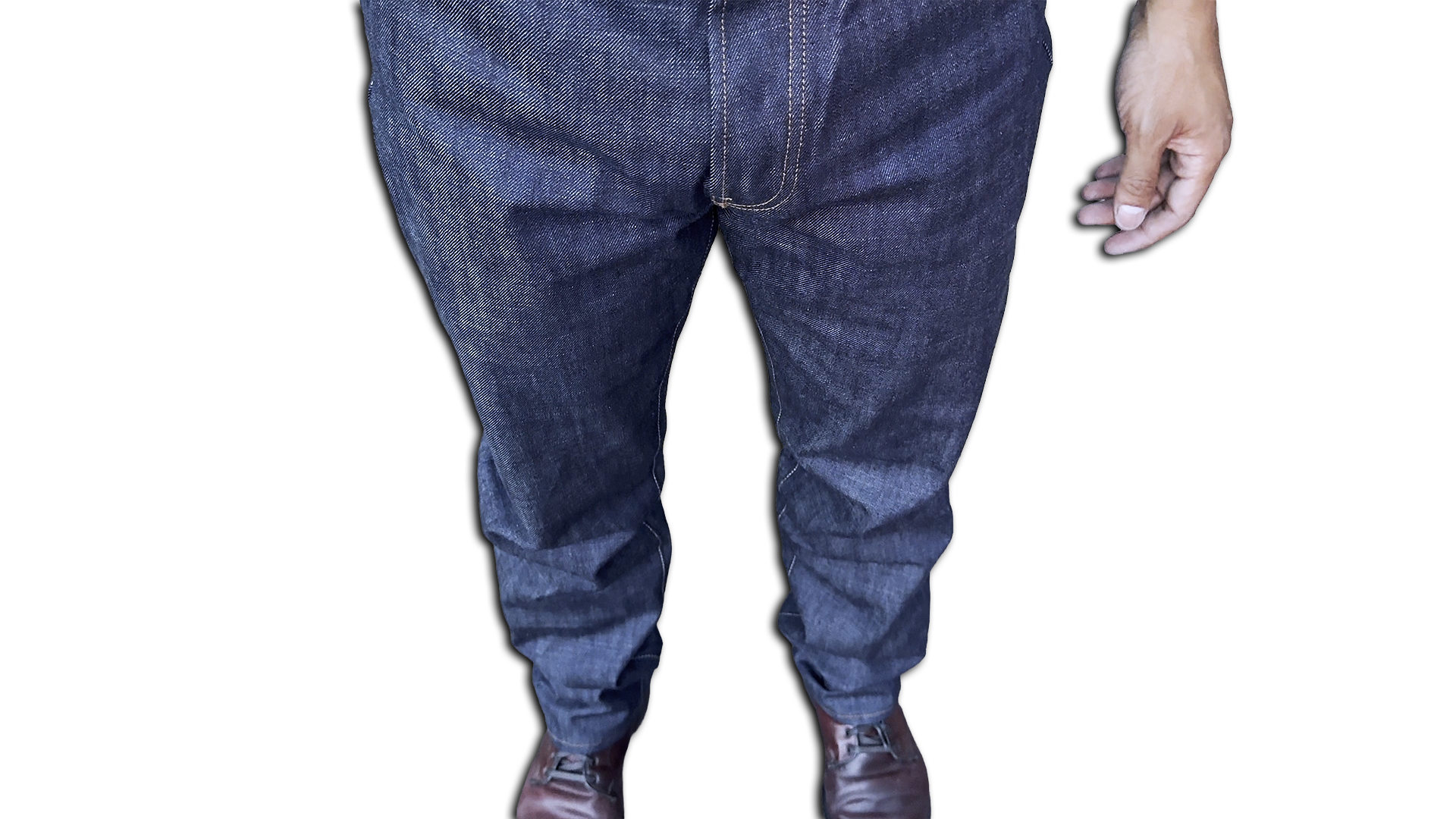
Key points about the WL#1
The WL#1 is Weirloom's regular fit jean, which is what most people will probably want to go for.
- It's a 14.25 oz 100% cotton, raw selvedge denim (this is basically the ideal weight for everyday jeans)
- The denim is woven on vintage shuttle looms from the 1960s at Candiani Denim (a textile mill in Italy) and the jeans are made in Portugal
- They're a regular fit with a straight leg, which is my preference and will fit over any footwear you have, like boots
- They're sanforized, so they won't shrink too much; around 3%, but you can typically get 5% shrinkage out of raw denim if you're trying (like hard, with hot water & drying)
- Copper rivets, industry standard YKK hardware (button fly), and a real leather patch
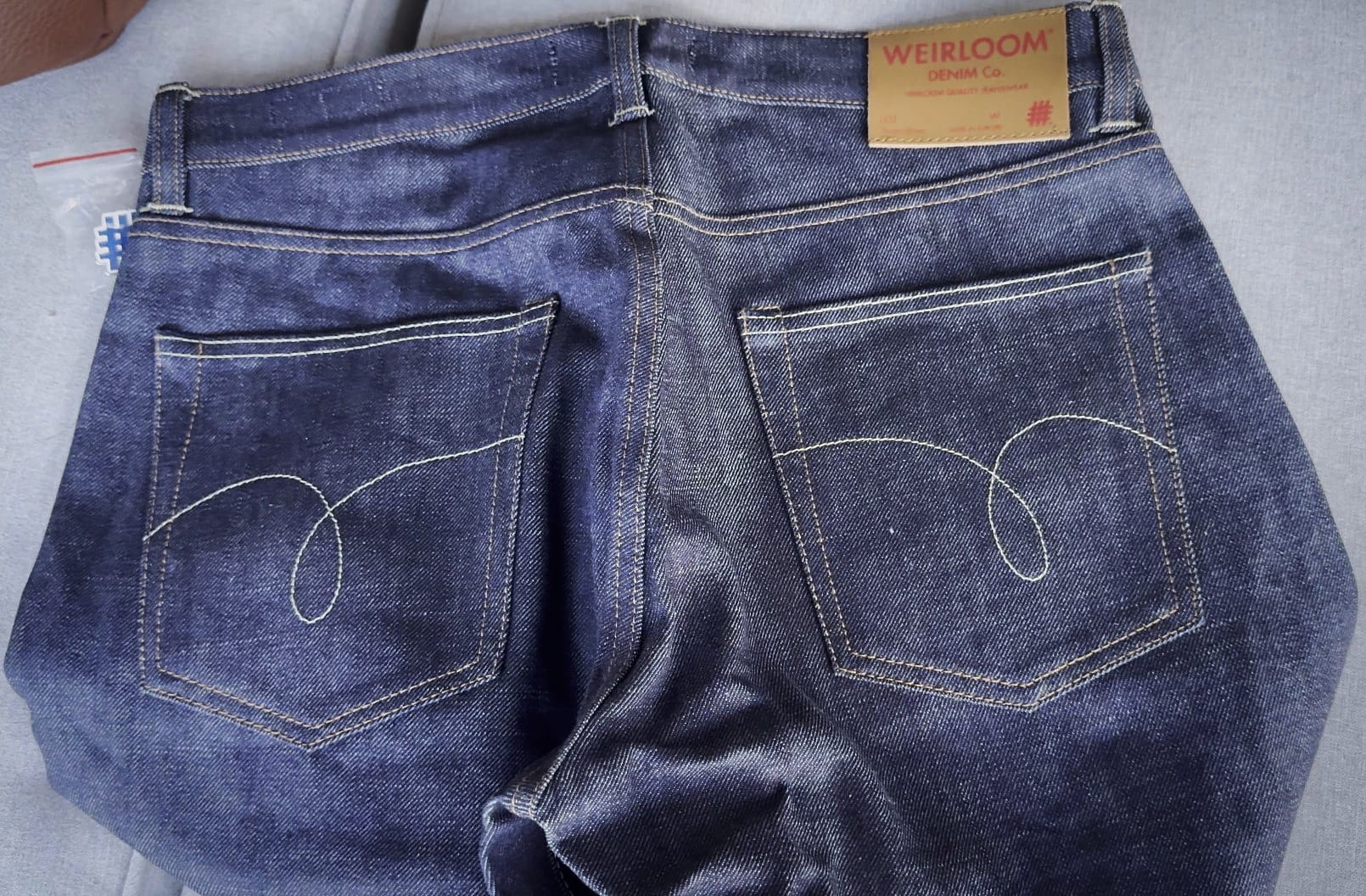
The denim arrives unwashed and raw, meaning the fabric will soften, crease, and fade according to how you wear it. Exactly what raw denim is meant to do.
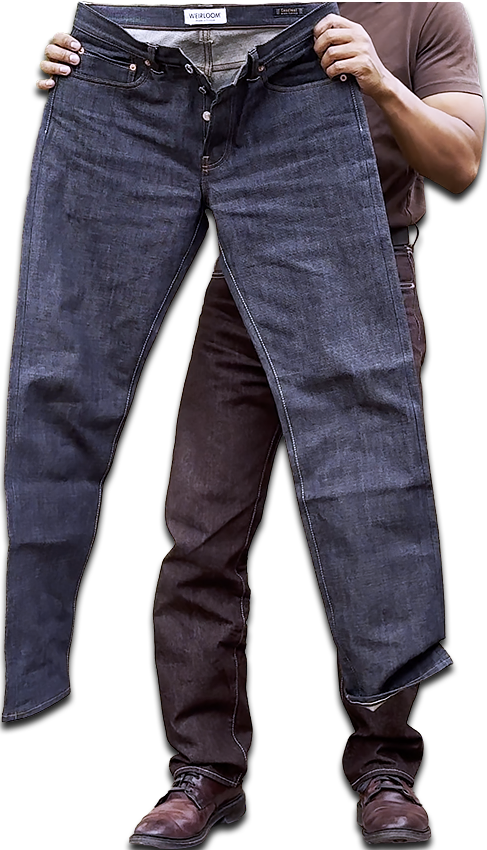
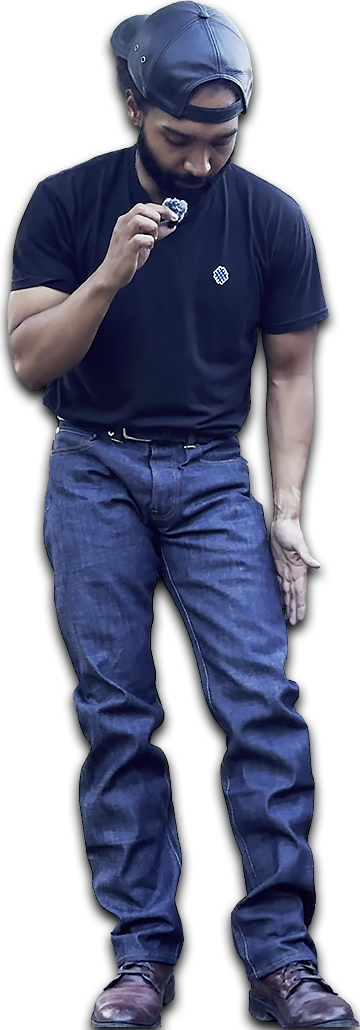
Brand new Weirloom jeans prior to their first soak. Size 30.
The fit of Weirloom jeans
The jeans use a classic straight-leg silhouette with a mid-rise waist, but the measurements also reveal something that's becoming surprisingly uncommon in modern denim: actual room in the thighs.
Many contemporary jeans, even those marketed as "regular" fits, have relatively narrow upper blocks. Lifters, cyclists, athletes, food-lovers and anyone with larger thighs often find themselves sizing up in the waist just to get enough room through the leg to comfortably sit.
Looking through Weirloom's size chart, the WL#1 takes the same approach I would, if I made jeans:
The thigh measurements are generous relative to the waist sizing, creating a fit that remains straight without becoming restrictive. In my own experience, that's the difference between wearing a size 30 comfortably and having to size up to a 32 simply to accommodate my larger thighs (and they're smaller now than they were a few years ago).
For people who appreciate vintage Levi's fits and heritage-inspired workwear, the WL#1's proportions make a lot of sense. The front rise is also similar to the Levi's 541 Athletic fit, I know a lot of Americans are familiar with this one.
It's a fit designed to be worn rather than endured.
Measurements
These are the measurements I took before and after a cold soak. Be sure to refer to Weirloom's size chart for definitive sizing and help.
Size 30:
| Measurement | Before Cold Soak | After Cold Soak | Change |
|---|---|---|---|
| Waist | 16.5" (16" relaxed) | 16.25" (15.9" relaxed) | -0.25" |
| Seat | 21" | 20.5" | -0.5" |
| Back Rise | 15" | 15" | 0" |
| Front Rise | 10.5" | 10.5" | 0" |
| Inseam | 32.9" | 32.5" | -0.4" |
| Thigh | 12.4" | 12.1" | -0.3" |
| Knee | 9" | 8.9" | -0.1" |
| Leg Opening | 8.15" | 8" | -0.15" |
Candiani Denim: Europe's most respected textile mill
If you've spent time around raw denim enthusiasts, you've probably heard far more about Japanese denim and some of the various mills, and less about Italian denim.
That doesn't mean Italy lacks denim expertise. From from it —
Candiani was founded in 1938 near Milan and remains family-owned today, spanning four generations of the family. The company originally produced cotton workwear fabrics before shifting its focus toward denim during the 1960s. Today, it's become one of the most influential denim mills in Europe and supplies fabric to brands around the entire world.
Part of Candiani's reputation comes from its willingness to innovate:
The mill has invested heavily in sustainability initiatives, water reduction technologies, alternative dyeing methods, regenerative cotton programs, and new fabric developments while continuing to manufacture their denim in Italy.
But does Candiani make good denim?
The answer is yes.
Candiani denim has been used by respected denim brands for decades and has earned a reputation for balancing durability, comfort, and attractive fading characteristics. And while Japanese mills often receive the spotlight among hardcore denim collectors, Candiani remains one of the most respected names in European denim production.
As an American that lived in Japan, you can imagine I fell into the camp of not really having heard of Italian denim. In fact, I believe these Weirloom jeans are the first I've ever had from Candiani, and the softness of the denim is impressive.
A denim designed to fade
The fabric used in the Weirloom's WL#1 is a 14.25 oz selvedge denim woven on traditional shuttle looms.
That's the sweet spot in weight for many people, myself included.
The fabric is heavy enough to feel substantial, and due to the nature of it being raw, it will develop strong fading patterns over time without the struggle of breaking in a heavyweight denim.
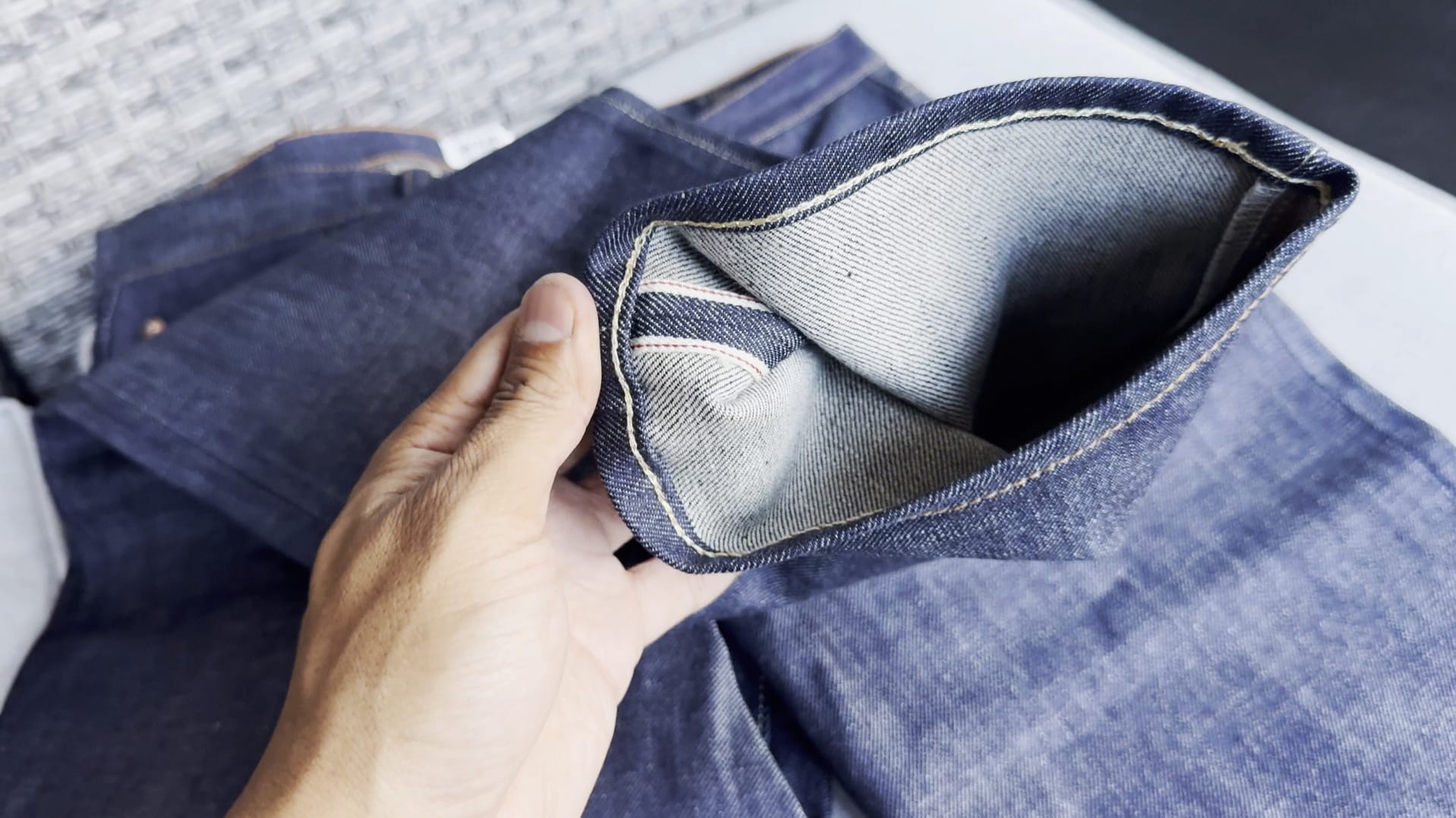
Weirloom describes the fabric as containing noticeable slub and ring character, with yarns that soften through wear while still maintaining structure. The denim uses Candiani's Indigo Juice dyeing process, which is intended to encourage faster and more visible fading.
For raw denimheads, that's a big part of the appeal of buying raw jeans in the first place.
These jeans are meant to start relatively stiff, gradually mold to the wearer, and eventually develop the whiskers, honeycombs, and high-contrast fades that make raw denim so addictive.
Who is Weirloom?
The brand operates out of Denmark, with their jeans and shirts being made in Portugal. Weirloom is a passion project of Thomas Stege Bojer, a name many denim enthusiasts may already know.
In 2011, Thomas founded Denimhunters, one of the internet's longest-running resources dedicated to well-made menswear — with a strong emphasis on denim.
Over the years, Denimhunters has published extensive educational content covering everything from raw denim care to manufacturing techniques and even denim buying guides.
After spending years explaining jeans and evaluating other brands, Weirloom is a reflection of Thomas' passion for denim.
The brand's philosophy is refreshingly simple too: buy less, wear more.
Rather than launching dozens of fits and seasonal collections, Weirloom focuses on well-made essentials designed for long-term wear.
Details that matter in jeans
One thing that stands out about the WL#1 is that the details are practical.
Among the features, it has:
- Selvedge detailing inside the fly (on both sides of the placket)
- Selvedge peek-a-boo coin pocket detail
- YKK pure copper rivets & (4) buttons
- Heavy-duty pocket bags (they feel super smooth but hefty)
- Reinforced stress points (bar tacks, rivets)
- Genuine leather patch with an old school look, belt can be routed behind it to act as an additional belt loop
- Belt loops tucked into the waistband for additional durability
- (Seven belt loops on larger sizes)
None of these details are revolutionary on their own — but when you combine every detail, it amounts to something big.
You really can tell that every detail is thought of:
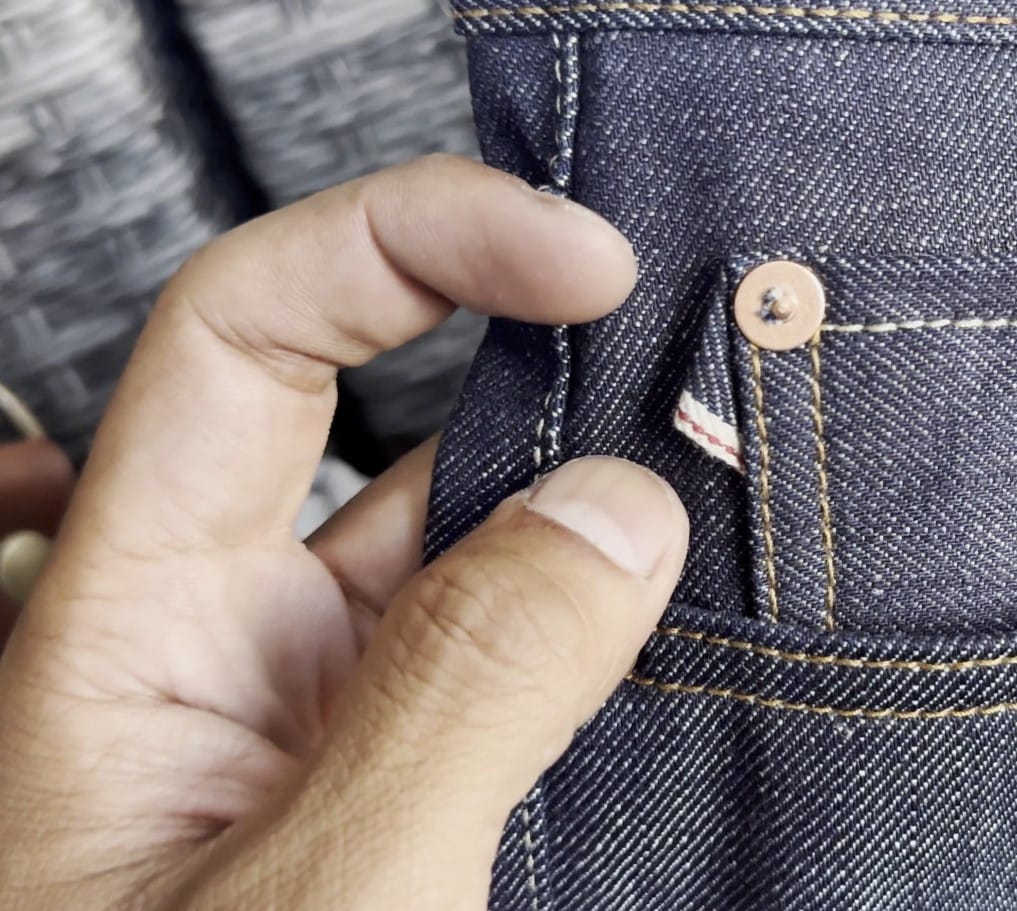
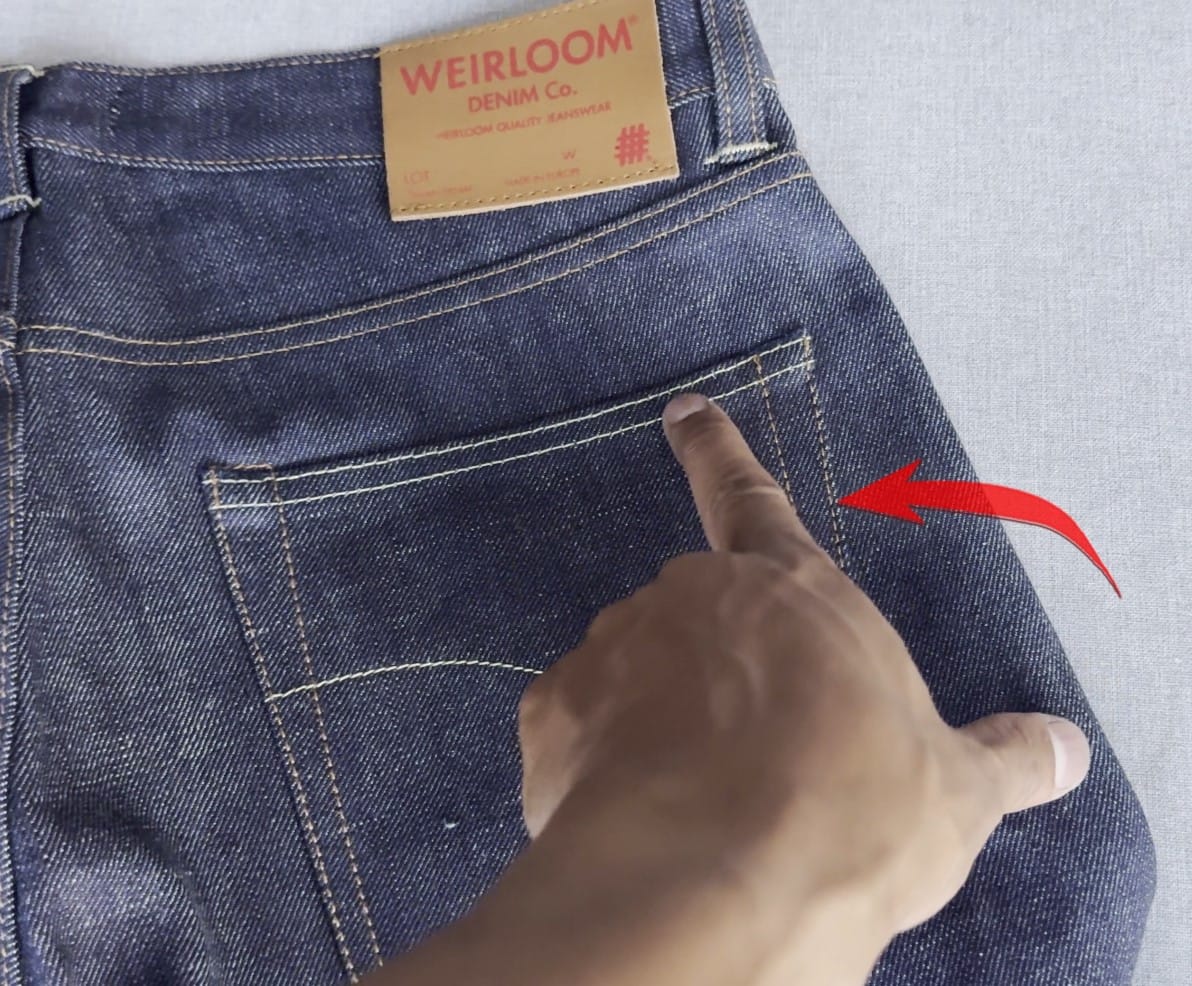
Peek-a-boo selvedge, leather patch, two-tone stitching
Final thoughts
The Weirloom WL#1 won't be the most extreme pair of raw denim you'll ever buy.
It isn't trying to be.
Instead, it focuses on core fundamentals:
- a versatile straight fit
- quality European manufacturing
- respected Candiani selvedge denim
- a build that's meant to last, and be repaired over time
Or you can just use it to compare how your jeans have aged.
For people looking for a wearable everyday raw denim jean that isn't restrictive, can go miles, and is the ideal weight for year-round use...
It's hard not to recommend these Weirloom jeans, truly. I can't get over how soft and smooth the denim is, and it's not even a left-hand twill!
But yeah: when that "regular" fit is paired with Italian Candiani denim and the brain of someone that breathes denim, it becomes a super compelling option for anyone looking to invest in a pair of raw jeans they'll actually want to wear. And for a long time.
I mean, it's in the name: Weirloom.
Buy Weirloom jeans
If you use my affiliate links, I may earn commissions for qualifying sales.

 Weirloom
The jeans reviewed in this article (that I received for free)
Watch the video review
An in-depth look at raw selvedge denim, how to soak it, and much more.
Using these Weirloom jeans as the basis, sit back and relax to chill denim vibes