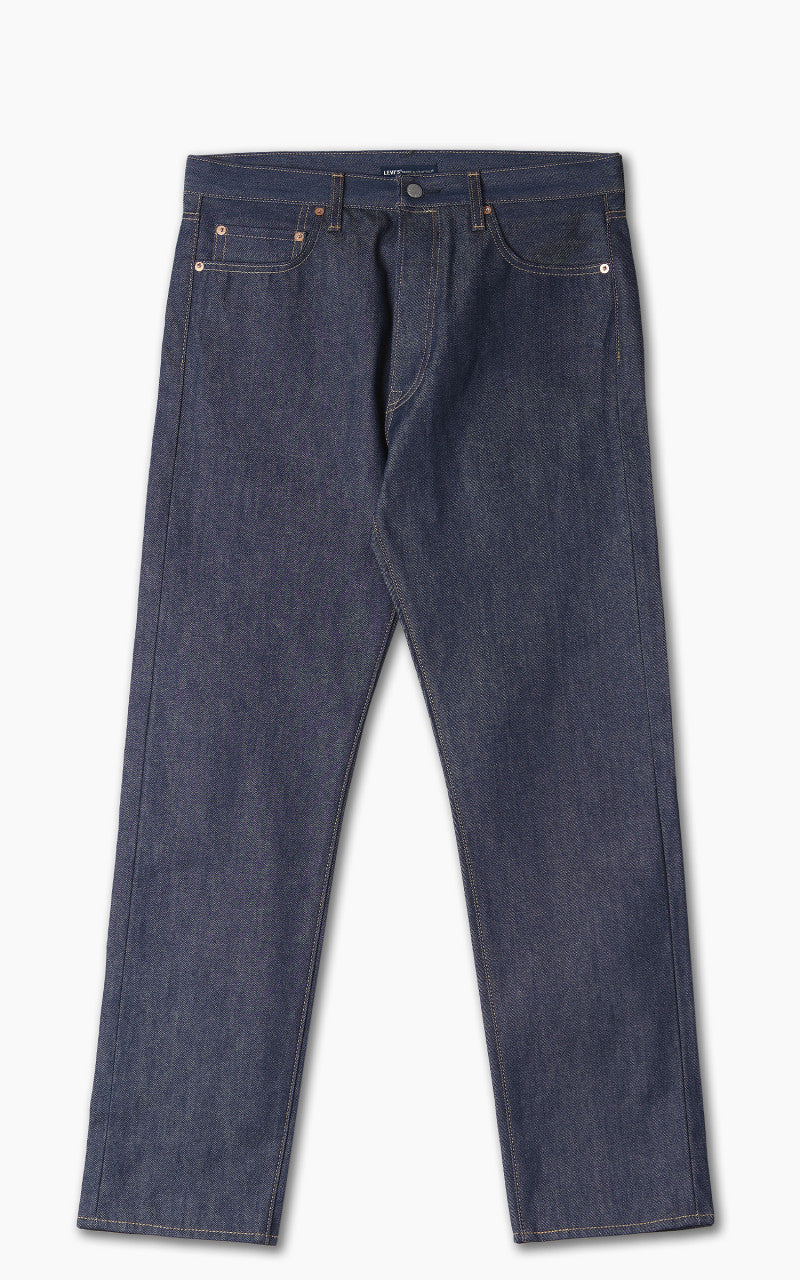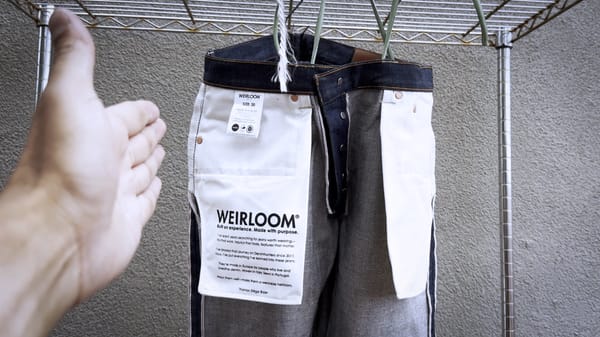
Everything about Levi's 501 STF (Shrink-to-Fit) jeans
Iconic jeans with the same name since 1890. Here's how you can mold this awesome pair of jeans to your own body.

If there's one pair of jeans that has become almost inseparable from the idea of raw denim, it's the Levi's 501 Original Shrink-to-Fit.
The 501 STF has existed in some form since 1870, and even now in a world filled with selvedge denim brands, Japanese reproduction makers, denim fading competitions, and every fit and jean pattern imaginable, the Levi's 501 still occupies a strange and important place in the denim world.
These aren't just another pair of jeans, they're kind of what started it all (like, the start of denim jeans in general, historically).
The Levi's 501 STF is one of the few mass-market jeans that still gives buyers a partially unfinished experience. They're rigid; they're unsanforized; they shrink when soaked or washed; they change shape depending on how your own body's shape, along with how you shrink them.
For a lot of people, the 501 STF is their first experience with raw denim. At least for those that have a first experience at all, since this is somewhat of a niche market, raw denim. Especially raw, unsanforized denim.
It's because these jeans offer something difficult to find today: a relatively affordable pair of classic, button-fly, 100% cotton jeans that still feels connected to the older era of denim. An era that's gone by, but hasn't been forgotten.
Are regular Levi's 501 jeans different from Levi's 501 STF?
A common point of confusion is the labeling of 501; Levi's has kept that number in their arsenal for so long, across many different models of 501 jeans.
The standard or common Levi's 501 Original jeans sold in stores and malls are usually pre-shrunk (sanforized) and pre-distressed or pre-washed (not raw), so they'll behave much more like ordinary jeans that most people are used to — soft and comfy from the start, with little to no shrinkage through laundering.
The 501 STF, on the other hand, is specifically designed to shrink, which completely changes the sizing process and the overall experience.
This article covers what Levi's 501 STF jeans actually are, how they fit, how they shrink, the different ways people shrink them, and why these iconic jeans remain relevant even today.
What does "unsanforized" mean?
Most modern jeans today are sanforized. Sanforization is a chemical process developed in the early 20th century that mechanically pre-shrinks fabric before garments are made, ensuring they remain approximately the same size after production.
This process dramatically reduces the amount of shrinkage consumers experience after washing. It is not the same thing as washing denim: in a garment/jean-making setting, washing would be another step after sanforization — sanforization happens during the production of the denim itself, before it's sold or given to the company utilizing it.
The Levi's 501 STF skips both of those processes: it's unsanforized and unwashed.
Because of that, the jeans still shrink significantly after exposure to water and heat. The hotter the temperature you use to wash or dry the denim, the more shrinkage you'll experience. Up to a maximum, of course.
Levi's officially states that the jeans shrink approximately 10%.
That shrinkage primarily affects:
- The inseam length
- The waist width & thigh
- The front/back rise slightly
- The seat to a lesser extent
This is one reason raw denim enthusiasts love Shrink-to-Fit denim. The jeans eventually begin forming around how you move, sit, walk, and wear them. The amount you shrink them (or don't if you wear them raw) is entirely up to you.
Over time, the creasing and fading also become unique to the wearer. You could say this about raw jeans in general (which would shrink approximately 5% if they're sanforized), but unsanforized always has the custom-fit aspect going for it.
The Levi's 501 STF is raw denim, not selvedge denim
One thing worth clarifying is that standard Levi's 501 STF jeans are not selvedge denim. This confuses a lot of people because raw denim and selvedge denim are often discussed together online, and in certain contexts can be confusing for people that don't know much about denim.
Most denim will be sanforized, and this is an important aspect for companies when selling denim, since it has the most potential shrink — thus the most potential for customer dissatisfaction.
Raw denim simply means denim that hasn't been washed or distressed after production. "Washing" is something that happens so that the jeans don't have a flat, uniform look to them and appear already-worn with light fading.
So what is selvedge (aka selvage) denim?
Selvedge denim refers to denim woven on shuttle looms, usually or almost always vintage machines, that produce self-finished edges.
The standard Levi's 501 STF sold through Levi's today is raw and unsanforized, but generally not selvedge. You'd likely need to look at Levi's Made & Crafted or Levi's Vintage Clothing (LVC) lines to find something in a selvedge material.
That doesn't make the jeans lower quality in any meaningful way. Selvedge doesn't enhance or increase durability nor does it produce better fades than regular raw denim. It's more of a prestigious, slow process akin to what we did in the past. And it looks nicer if you cuff or roll the bottom hem of your jeans up.
For many buyers, the 501 STF exists in a particularly interesting position because it offers a traditional raw denim experience without the much higher pricing associated with boutique denim brands.
How to size Levi's 501 STF, and official Shrink-to-Fit sizing recommendations
Levi's gives multiple sizing recommendations depending on how you plan to shrink your jeans.
According to Levi's:
- Traditionalists: for the tub soak/wear-dry method, buy true-to-waist size and two sizes longer in inseam.
- Example: you're a
32x32, you'd buy32x34
- Example: you're a
- Modernists: for machine washing and drying, size up in 1" in the waist and 2" in the inseam.
- Example: you're a
32x32, you'd buy33x34
- Example: you're a
- Purists: for people intending to keep the jeans raw and unwashed for extended periods, buy true to size.
- I personally would not recommend this unless you know you'll never get your jeans wet, ever. Humidity, sweat, rain, and heat can all add up to shrinking jeans.
You should also size the waist differently depending on the waist measurement range.
This is a big reason the internet is filled with conflicting advice about STF sizing, because it can depend on:
- Your body shape (thick thighs? The waist probably needs to be sized up regardless)
- Whether you plan to machine dry them (higher heat, more shrink)
- Whether you plan to soak them hot or cold (again, more heat, more shrink)
- How slim or loose you want the final fit (personal preference)
- How much stretching you expect afterward (don't expect it everywhere necessarily, but certain dimensions stretch back out, like the waist)
How much do Levi's 501 STF jeans actually shrink?
The answer: it depends.
Generally speaking, most people experience:
- Around 1-3 inches of inseam shrinkage
- Around 1-2 inches of waist shrinkage initially
- Minor shrinkage elsewhere
The waist can stretch back out with wear, and the thigh if your thighs are large enough (but not already-constricted by the jeans, so they should never be tight in the thigh to start).
This is why many people intentionally shrink the waist slightly tighter than they ultimately want. I personally wouldn't take this route due to having larger thighs.
The inseam, however, does not usually stretch back very much, even with you try by wetting the jeans and pulling. This does help, but how much really depends (and they can shrink back up).
That is why most sizing recommendations focus heavily on buying extra inseam length: you don't want short, cropped jeans.
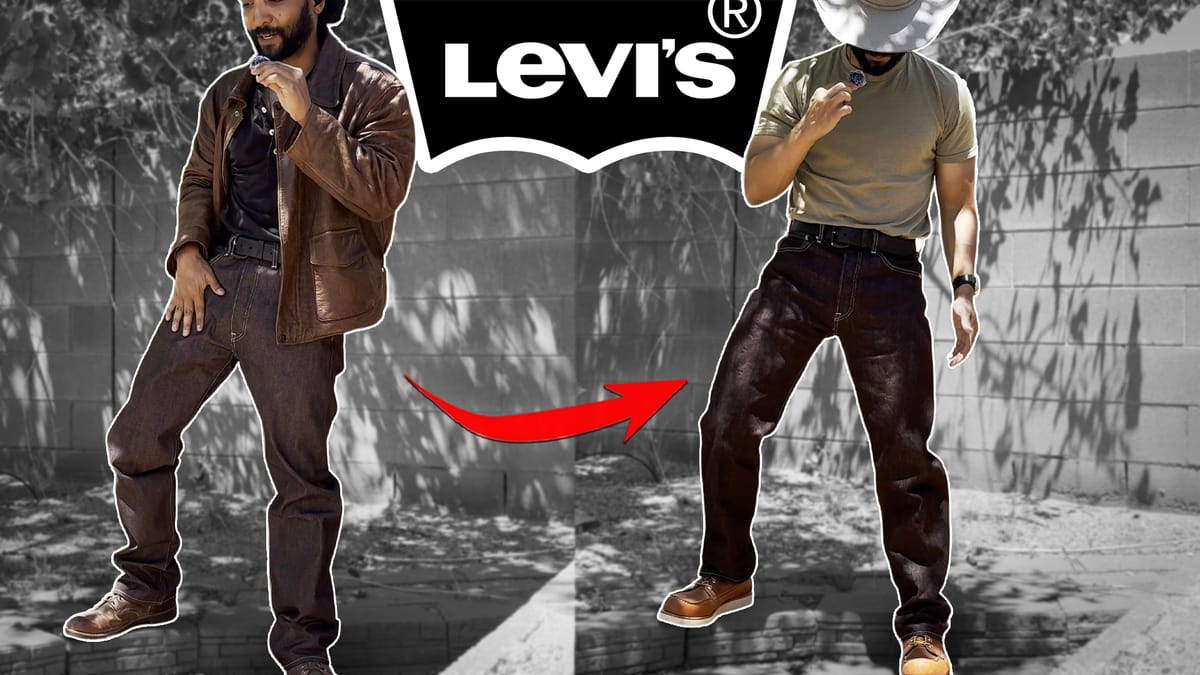
Measurements: how much my Levi's 501 STF jeans shrank
At the time of this writing I have a 31" waist, and my brand new pair of Levi's 501 STF jeans came to me with these measurements.
| Measurement | Before Wash (Raw) | After Cold Wash + Line Dry | Shrinkage |
|---|---|---|---|
| Waist | 16.5" flat (33" circumference) | 15.75" flat (31.5" circumference) | -1.5" |
| Inseam | 32" | 30" | -2" |
| Seat | 20.25" | 19.75" | -0.5" |
| Thigh | 12.25" | 11.75" | -0.5" |
| Knee | 9.15" | 8.75" | -0.4" |
| Leg Opening | 8.5" | 8" | -0.5" |
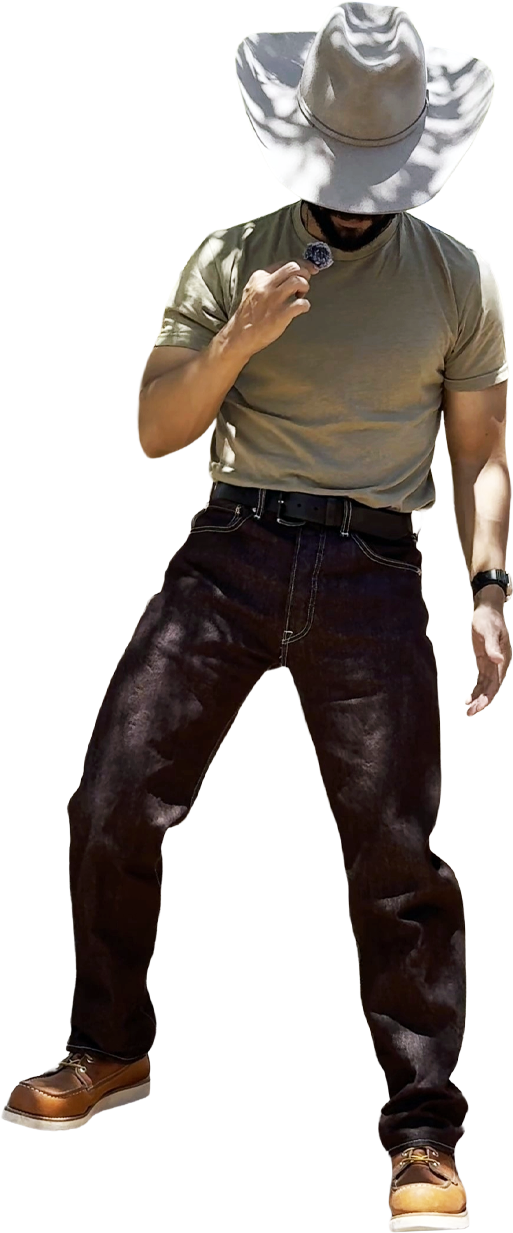
Before (left) and after (right): Levi's 501 STF in Burgundy Brown, cold washed
The traditional bathtub soak method
The bathtub method is the most famous part of the 501 STF experience that you don't even have to experience if you don't want to.
But this is the method many people associate with classic raw denim culture; a bit like beach washed jeans, living life to its fullest and not caring about your jeans getting a little dirty.
The idea and execution is very simple:
- Put on the jeans.
- Sit in a bathtub filled with warm water (or water temp of your choice, cold for less shrink). Sit for a good half hour to one full hour. Play some music or something, make a thing of it.
- Get out of the tub, and wear the jeans until mostly dry. Try not to squat and bend over too much, to avoid "knee bags" where the knees sag.
The theory behind this method is that the jeans shrink directly around your body shape.
Some people swear by this method, while others think it is unnecessary (like me, but I do think it's fun, and I'm talking about it here for that reason).
In reality, the tub method mostly matters for people trying to maximize personalized shaping during the initial shrink, but ultimately the jeans will form to your body as long as you wear them — wet or dry.
The downside to this method? Wearing sopping-wet jeans for hours isn't comfortable.
Machine washing the 501 STF
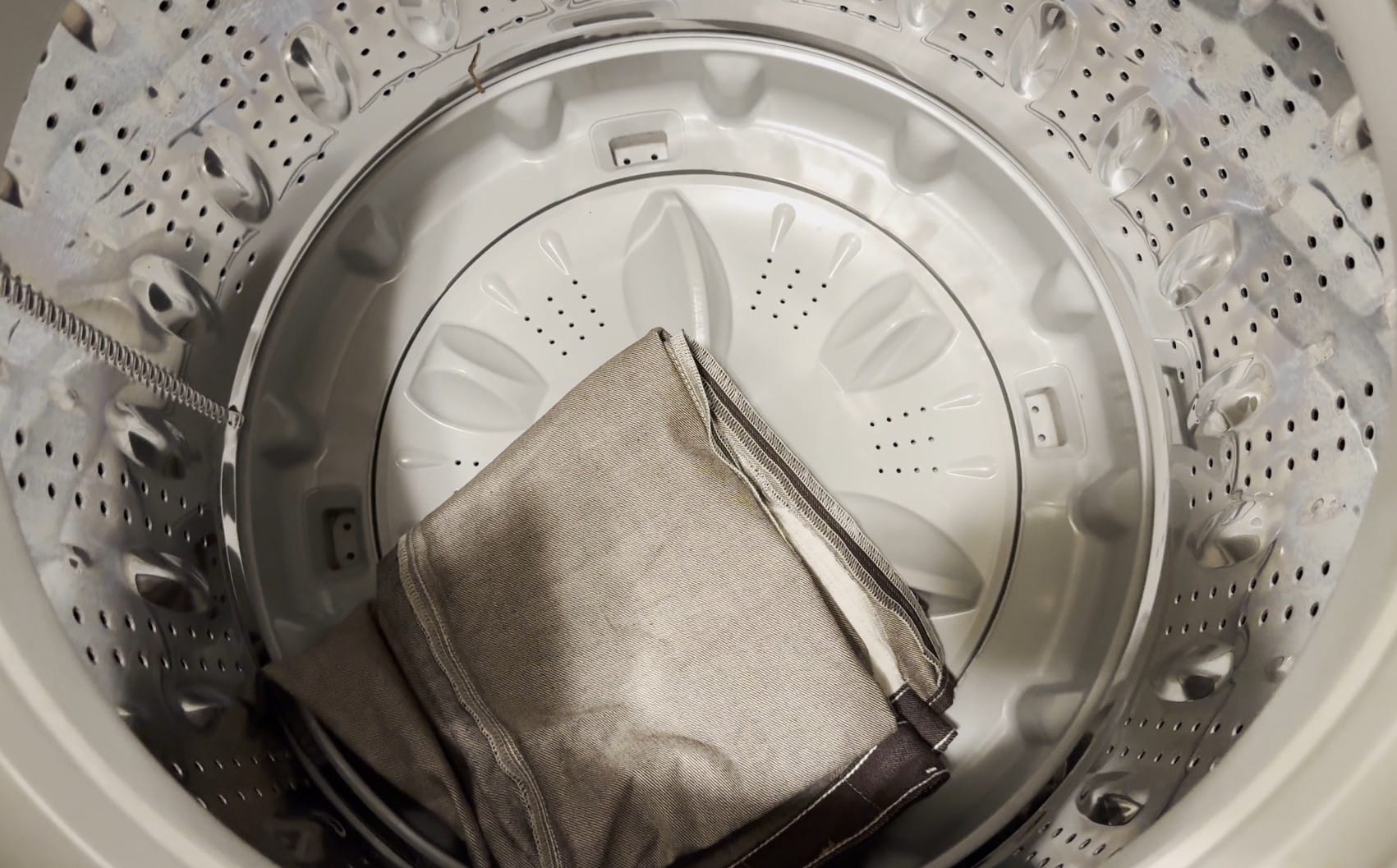
Many people today, including myself, simply machine wash our shrink-to-fit jeans instead. It's the easiest, most hands-off method. And yes, arguably easier than wearing your jeans purely raw as the jeans will be less stiff and starchy, especially if you use a dryer.
It also usually creates more aggressive shrinkage, but it depends.
Warm or hot water combined with machine drying can dramatically reduce the size of the jeans, and the agitation/spin can make them shrink more than sitting in a tub. You can fade the jeans more purely from the agitation of hot water swishing your jeans around.
The downside is that the results can sometimes be less predictable, because you're working with machines and in certain ways being less "intentional" with what you're doing with the jeans.
Still, for most people, this is the most practical way to shrink STF jeans, and the downsides are less bad than they might sound.
Do Levi's 501 STF jeans stretch back out if you shrink them too much?
Yes, but only partially. Never rely on rigid denim to stretch back out easily, especially if it's currently tight (it likely won't stretch enough).
With that said, rigid cotton denim naturally relaxes under tension and movement over time. The more you wear your jeans, sweat in them and allow them to dry on your body, the more they'll be able to stretch (or get them wet intentionally).
Not every part stretches equally, however.
The inseam length usually does not recover much, and will shrink back up over time if you manually stretch it back out while wet.
The leg opening changes minimally, and even if you pull it back out to stretch it, it probably won't look so pretty if the material above the opening is less wide than the opening (causing a flared-jeans effect).
The seat and thigh may loosen slightly over time, particularly if you're bending and squatting and sit on your feet a lot.
The fabric and feel of Levi's 501 STF denim
The 501 STF uses rigid 100% cotton denim.
Modern buyers who are used to stretch denim are often surprised by how stiff and heavy the jeans feel initially. Denim enthusiasts may find the material a little thinner than they prefer.
This stiffness is part of the appeal, and brand new STF jeans can almost stand on their own, but since they're around 12 ounces per square yard, they're not the heaviest material around. Shrinkage will up their density slightly.
As the denim breaks in, the fabric softens substantially while developing personalized creasing, like honeycombs on the backs of your legs and whiskers around the crotch area.
The fades also begin appearing according to the wearer's movement patterns, which is why some people can fade denim really well and win competitions based on their wear patterns.
Many denimheads will even mark the amount of times they've worn their jeans — directly on the pocket bag before they put the jeans on for the day.
How long should you wait before washing shrink-to-fit jeans?
This topic becomes almost philosophical in raw denim circles.
Some people wait months, like 6. Some might wait a full year. Others wash the jeans immediately. There is no universally correct answer.
Waiting longer before washing generally increases high-contrast fading, particularly with the primary indigo variant, but the honeycombs and fade lines can literally shift with the shrinkage.
My recommendation? Wear the jeans for a couple of days, do the shrinking process after that. If the jeans were sanforized (pre-shrunk), I'd recommend wearing them more like raw denim, going at least about 60 days before washing them.
In terms of frequency of washing? More frequent washing usually produces softer, more even fading. People tend to call these "vintage fades."
Modern denim enthusiasts are much less rigid about "never wash your jeans" advice than they were years ago, though.
Most people now recognize that regular washing is completely fine and it's actually healthier for the fabric, as you remove debris that can cause friction holes and bio matter that's accumulating within the fibers.
Common mistakes people make with shrink-to-fit jeans
1. buying them too small
This is extremely common, especially 10 years ago all over Reddit: "Buy your jeans smaller than you need them, they'll stretch out."
People read online discussions about stretching and assume the jeans will stretch endlessly.
But they will not.
Overly tight STF jeans can become uncomfortable permanently.
2. over-shrinking them immediately
Aggressive hot washing and machine drying can shrink STF jeans dramatically. If you live in a household where you leave your stuff in the washer and other people toss it into the dryer because they need the washer... that is a very common way of having your jeans shrink too much.
Once the inseam disappears, there's no realistic way to reverse it.
3. expecting them to fit like slim-cut jeans
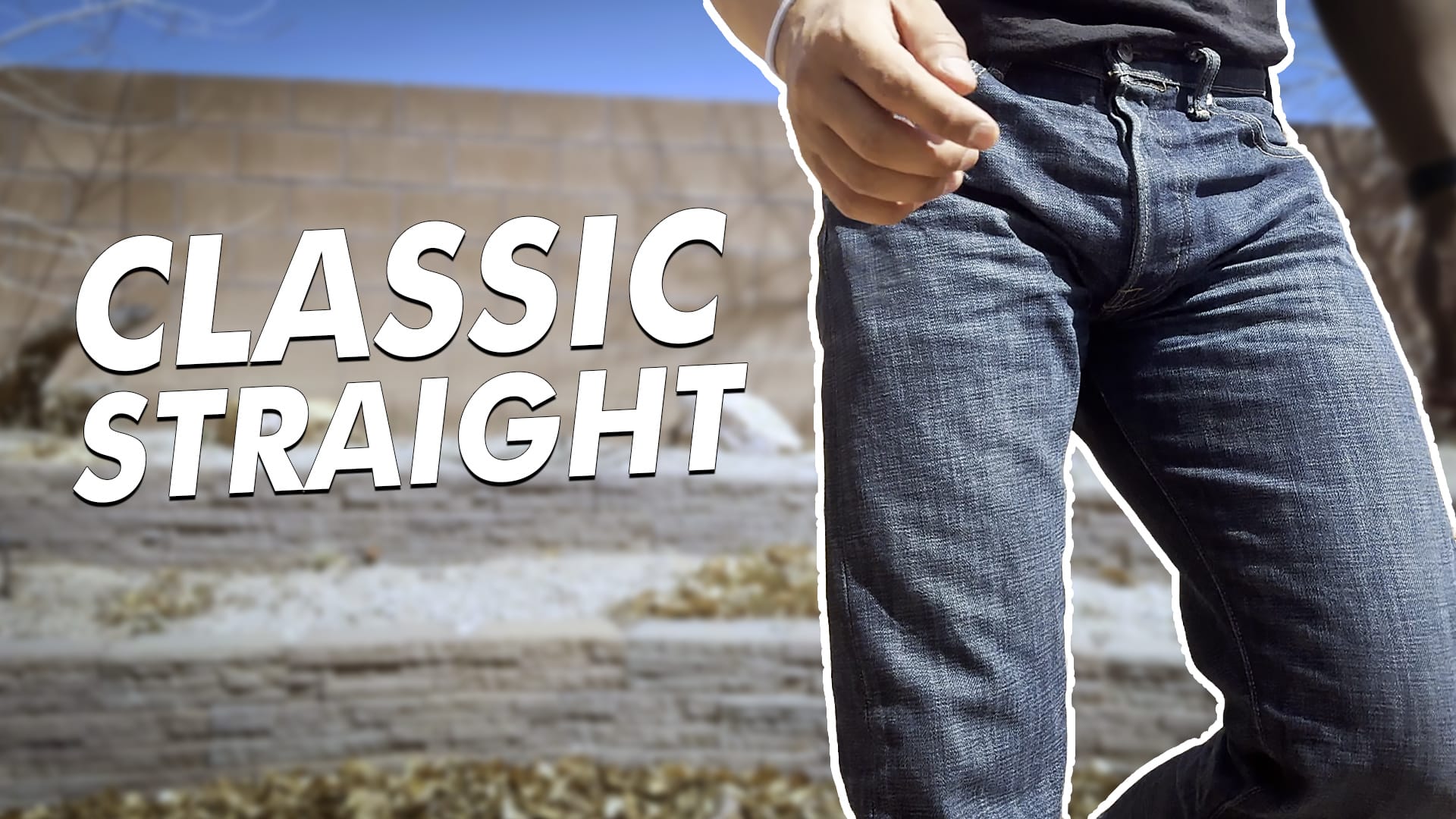
The 501 is fundamentally a straight fit.
Even after shrinking, they are not designed to fit like skinny jeans or tapered fashion denim.
4. assuming every pair measures exactly the same
With mass-produced jeans and quality control, you shouldn't expect a size 32x32 to come out exactly that. There may be slight variation, and even different countries tend to produce better Levi's (not only the 501 models but others too).
Are Levi's 501 STF jeans worth buying today?
For people interested in raw denim, denim history, personalized fades, or classic American workwear styling, the answer is usually yes.
The 501 STF still provides a surprisingly unique experience for a relatively accessible price, even if you were to pay full retail (at the time of this writing, $79).
There are absolutely higher-end raw denim brands available today, there are heavier fabrics, and there are more historically accurate reproductions.
There are Japanese selvedge options with exceptional craftsmanship.
But the 501 STF remains important partly because it is approachable for novices.
It's one of the easiest ways for someone to experience raw denim without immediately spending several hundred dollars, especially if you know how to save money. I bought one of my pairs for $21 all in, after shipping and tax.
And unlike many modern pre-washed jeans, the 501 STF still asks the wearer to participate in the process. You don't just buy them — you shape them.


(Affiliate link, I may be compensated for sales)
Where the Levi's 501 STF stands in the raw denim world
People deeply involved in raw denim sometimes separate jeans into categories. On one side, you have highly specialized premium brands, like:
- Iron Heart, Samurai, The Flat Head, Pure Blue Japan, Studio D'Artisan, Oni, and Momotaro
These brands often focus on:
- Heavier denim in selvedge material
- Unique dyeing methods
- Detailed historical reproduction work
- Extremely specialized fits, fabrics, and patterns
The 501 STF doesn't really compete directly with those brands; instead, the STF exists as something somewhat... foundational.
For many people, the 501 STF is the entry point into raw denim, unsanforized or not.
One simple pair of jeans teaches people:
- How rigid denim feels to break in
- How raw denim changes and fades over time
- How material shrinkage works
And because the jeans are comparatively affordable, people are much less afraid to actually wear them hard. Functional fashion, as we tend to mention here at Splished.
Some expensive raw denim becomes too precious for people because of the amount of money they're "investing" in these pieces.
The 501 STF? Super affordable in comparison.
- Did you know? eBay is a great place to buy jeans, brand new or used.
Affiliate link. I may earn commissions for qualifying sales.
Why the 501 STF feels so different from most mall jeans
Most modern jeans sold in malls today are designed for immediate comfort. A lot of people today don't understand that material will soften and break in over time, so they want something soft from the very beginning.
- Stretch denim, softer fabrics, pre-distressed washing, skinny tapered fits, and lower rises
That's a short list of the negatives you'll find from most non-raw denim jeans.
The 501 STF goes in the opposite direction:
- The denim starts stiff, the color is dark and uniform, the creases are not pre-made, the fit changes over time, and the jeans can initially produce that feeling of needing something more — like softness in the material.
And that's exactly why many people love them. The wearer becomes part of the process, and the item becomes yours. With a pre-distressed mall-brand pair of jeans, it's already "finished" from day 1 and has nowhere else to go but down.
The appeal of personalized fades from raw and shrink-to-fit denim
One of the largest reasons people continue buying raw denim is how they fade. Over time, repeated movement, pressure and friction creates lighter areas in those locations.
This can include:
- Honeycombs behind the knees
- Whiskers near the crotch and upper thigh
- Wallet outlines (ew)
- Phone fades (ick)
- Stacking fades near the ankle
Because raw denim begins dark and rigid, the contrast can become especially noticeable over time.
This is why some denimheads intentionally avoid washing for long periods early on, particularly with raw denim: you maximize the contrast the less you wash your jeans, because there's less loss of dye from the overall jeans, and only loss at the friction points.
Whether that's worth doing is largely personal preference, but the visual aging process is undeniably a huge part of the appeal.
Closing thoughts
These jeans occupy a strange place in modern denim culture:
The Levi's 501 STF jeans are simultaneously mainstream and niche.
Affordable and historical. Mass-produced but still somewhat personal.
For some people, the 501 STF becomes a gateway into the larger world of raw denim.
For others, it remains the only pair of jeans they ever need, buying them over and over again.
And despite endless trends in denim fits, washes, tapering, stretch fabrics, and fashion cycles, the basic formula behind the 501 STF continues surviving decade after decade... after decade.
A rigid pair of raw straight-leg jeans. A button fly. And a fit that changes depending on how you shrink them.
It sounds simple because it is. And it just works.
Affiliate links. I may earn commissions for qualifying sales:
Buy Levi's 501 STF jeans:
- Amazon.com: (Legacy) Levi's Original 501 Shrink-to-Fit Jeans
- eBay.com: Search for Levi's 501 STF Jeans
Reproductions and non-STF (highest-end Levi's 501s):
 Levi’s® Vintage Clothing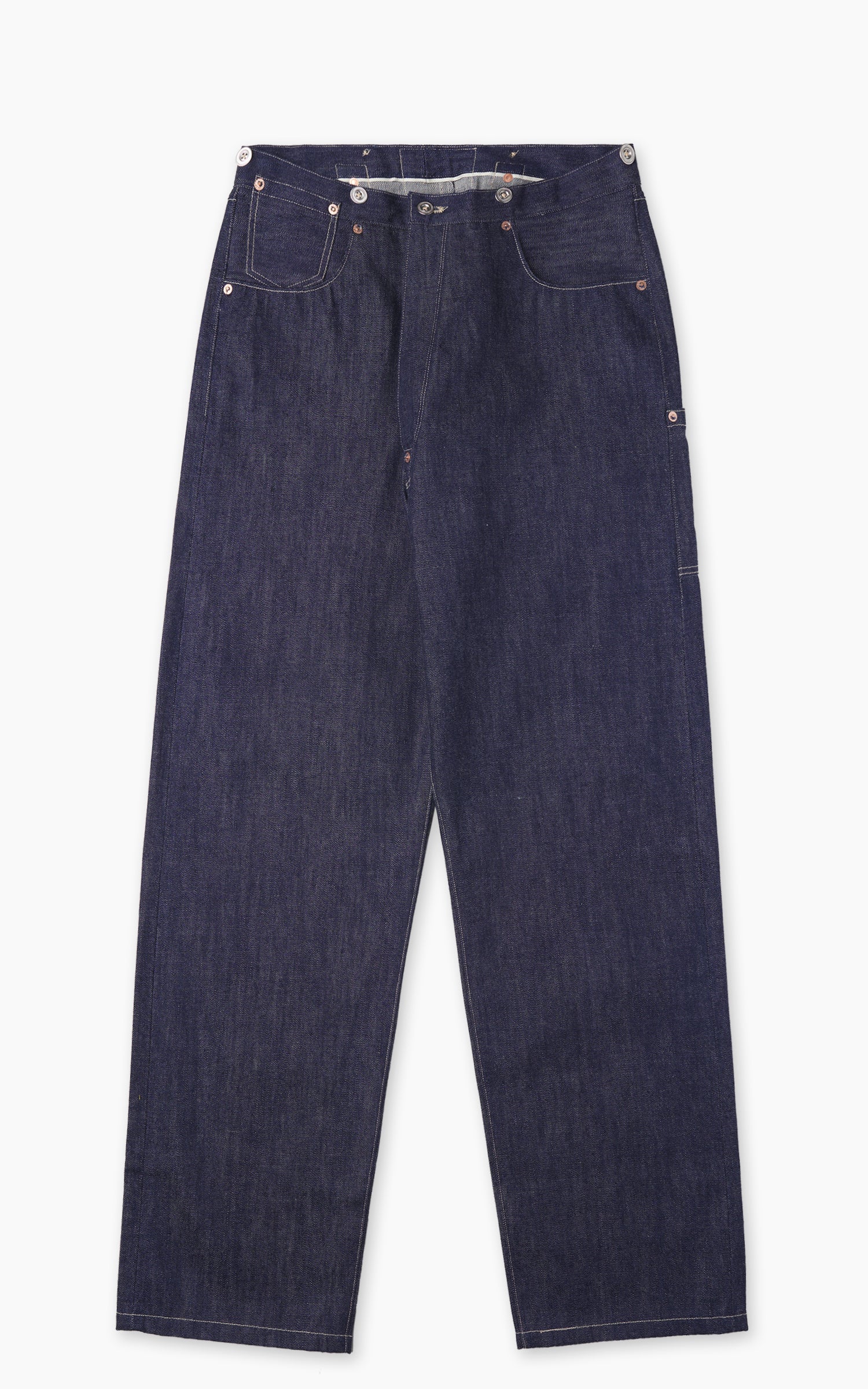
 Levi’s® Made & Crafted