10 Ways to Save Money on Heritage Clothing
Where to shop, what to skip, and how to buy smarter in 2026

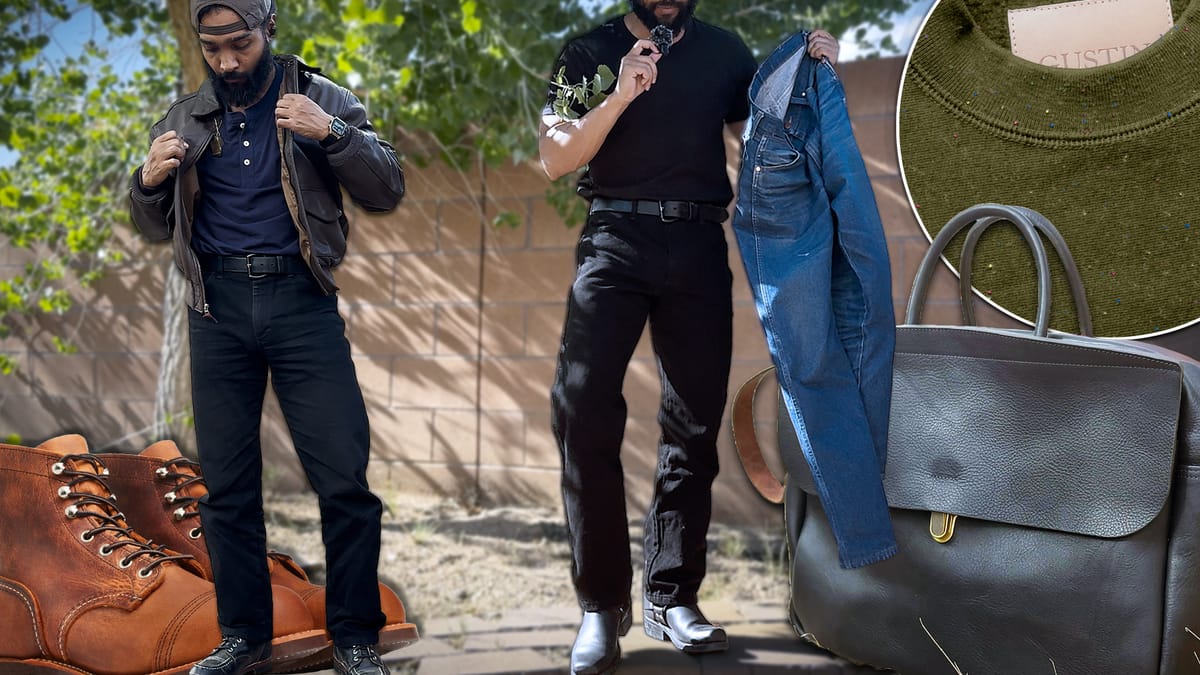
I never really cared much about clothing, boots, or their materials until my early 20s. After getting out of the military, I started paying more attention to how I dressed, and from there I fell into the same rabbit hole a lot of us do:
I kept buying a bunch of stuff trying to find my style, and once I did... I kept buying more stuff.
- Boots, jackets, jeans, and primarily natural materials from heritage brands that build quality, rugged clothing.
Once that bug bites, it tends to stick — as you might know if you're reading this guide.
The problem here is obvious: this stuff can get expensive fast
A pair of leather boots can run a few hundred dollars; a good leather jacket can cost significantly more. And all the little odds and ends like underwear and socks? Those add up too.
If you start telling yourself that every purchase is an "investment piece," you can talk yourself into spending money way too easily.
This isn't a lecture about buying less. I enjoy new, varied things in life and clothing is right up there in what I enjoy experiencing. When you have one shirt, sometimes you want another in a different material. And I can't argue that we should be buying less until I actually start doing that myself, anyway.
For now...
The goal is simpler than that
Buy better, spend less.
Avoid impulsive purchases. Stretch your money further so you can build a wardrobe you actually enjoy wearing, and extend that wardrobe for a fraction of what other people are paying.
Even if you don't want to save like this on every single purchase you make, and just want to use these tactics every now and then — that will work really well for you.
Here are ten ways to save money on heritage-style clothing without settling for an inferior item like a synthetic counterpart.
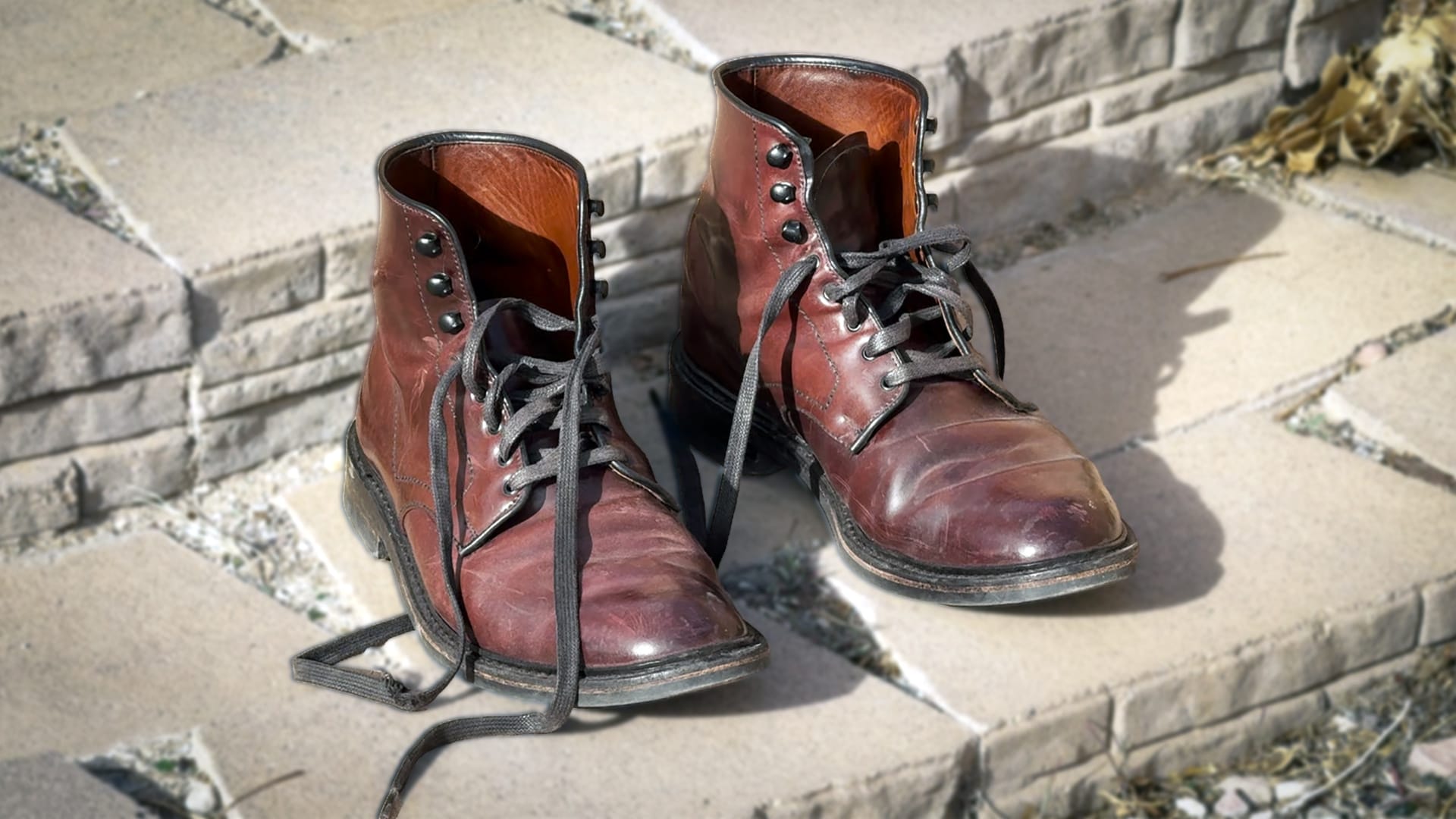
1) Buy used before you buy new
This is the single biggest money-saving move in the entire space.
A lot of good clothing barely gets worn before it hits the secondhand market. People buy the wrong size, they change tastes, they panic-sell due to life circumstance, or it was a gift that didn't work out.
That works in your favor.
Start with eBay to keep things easy, but online marketplaces are the idea here. No need to go out thrifting (although that's a great idea), and you can shop at your own pace.
Other trusted sites to check would be:
- Poshmark.com
- Grailed.com
- Depop.com
- Mercari.com
Quick notes on each one:
Poshmark is built around quick peer-to-peer resale, Grailed positions itself as a fashion marketplace, and Depop is another large secondhand fashion marketplace. Mercari is a Japanese e-commerce company that operates much like eBay.
The upside to liking rugged, durable clothing like heritage pieces is that lightly worn things will basically look and operate like-new, and pre-owned items will tell you the story and how much life they have left naturally.
Most of the time, these things actually look better aged than when they're brand new.
Your job here is to shop like a skeptic:
- Look/ask for actual measurements, not just the tagged size. Particularly if the item is preowned, it may have shrunk or have been stretched out.
- Zoom in on the images to look for wear points: cuffs, collars, hems, soles, and underarms.
- Check leather for cracking, not cosmetic creasing
- Optional: ask whether denim was hemmed, soaked, or altered
- Always factor in shipping before you convince yourself it's a "deal"
Used is where you can save the most money, but only if you stay disciplined enough to buy conditional to the materials and wear, not just the brand name.
Note that not all sellers will be responsive, and the item may sell if you take your time trying to ask questions. It's best to discern from the pictures, and that's why I tend to recommend eBay most: people selling heritage style clothing will typically have the measurements either in images, or in the description. This makes it easy to know you're buying the right size. On other marketplaces, I find measurements to be sparse, and you'll likely need to ask (but it can be very worth it).
2) Utilize Saved Searches and Watchlists instead of impulse buying
One of the easiest ways to overpay is to decide what you want and then buy the first decent listing you see.
Please don't do that.
Use this eBay trick —
eBay lets you save searches and keep items in a watchlist, which is exactly what you want for patient buying and to save your hard-earned money.
Now, I know I mentioned in section 1 above that sometimes items will sell as you're trying to get more info on them, but the opposite is true too: some items take weeks, months, and yes, I've even seen and purchased a limited-edition product years after it was initially listed (this one being from Grailed, not eBay).
If you're hunting for something specific, build a few variations:
- "red wing iron ranger 9.5"
- "red wing 8111 9.5"
- "iron ranger amber harness 9.5"
- "vintage chore coat blanket lined medium"
- "selvedge denim jacket type ii 40"
You can utilize the filters eBay provides too, but try not to lock the search down too much or you might not even get any hits. And sometimes people will mis-categorize products, which is a great way for you to take advantage of the mistake.
This saved search feature is best used once you already know what you want to buy, and a lot of the time you'll end up knowing just by browsing around so much.
Then wait.
This is one of the best habits you can build as a buyer. You stop shopping emotionally and start shopping comparatively.
After a week or two, you'll start seeing what a fair price actually looks like based on the condition in the photos you see, and how fast items are selling. You also start noticing the same item relisted lower, or a better-condition version showing up for nearly the same amount of money, because eBay will suggest sales prices to sellers.
"I kinda want it but I'm not entirely sure"
Watchlists are especially useful for that "I kinda want it" phase. Put it there, then step away. If you still want it later, maybe it's worth it. If not, good. You just saved yourself money to spend on something you actually want to wear.
3) The crowdfunding and pre-order angle
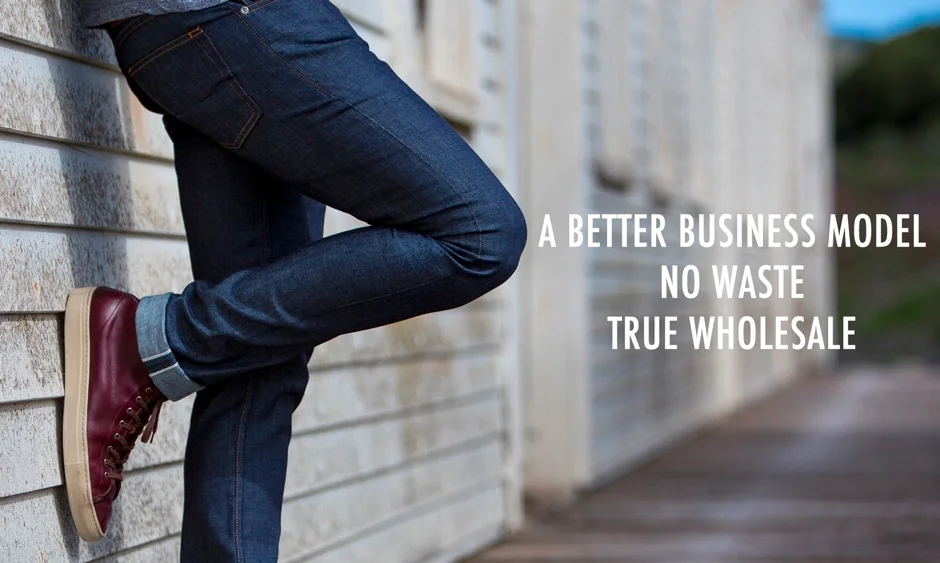
Some brands cut costs by producing only after enough demand is there —
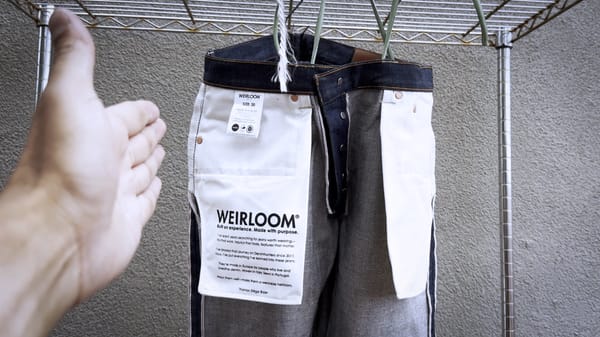
Gustin is the best-known example in this lane that I've personally tried. The company uses crowdsourcing to line up supply and demand, reduce waste, and pass savings back to the customer.
This model is super useful for buyers like us, because it often gets you better materials for less money than traditional retail. The tradeoff, again, is patience. You usually won't get the instant-gratification experience of normal online shopping.
But that's the point.
If you're the kind of person who knows what you like and doesn't need next-day delivery, crowfunding can be a very smart way to buy denim, shirts, jackets, and basics like t-shirts without paying boutique-retail prices.
Brands like Gustin have a small amount of stock, too, if you're less patient and want to try one of their house staples.

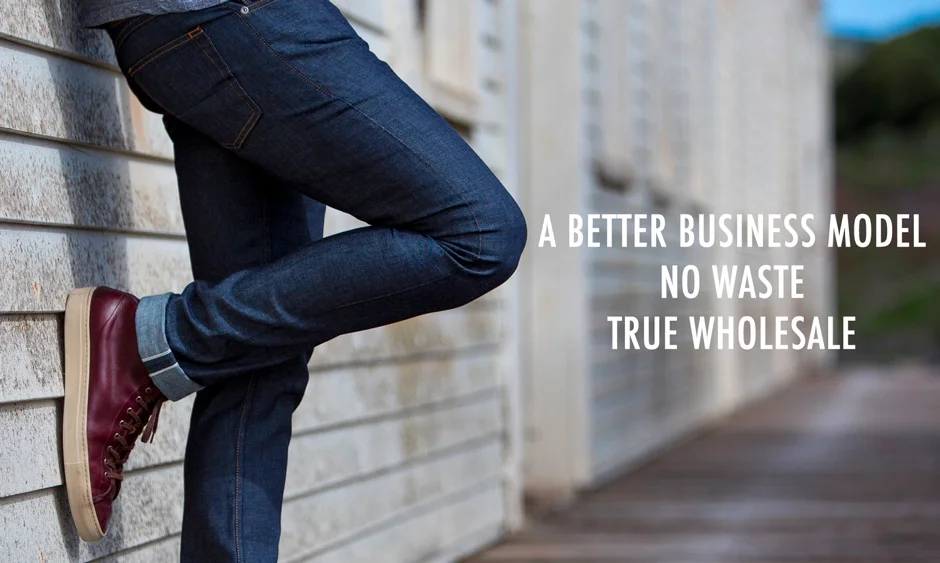
(See Gustin's brand page here on Splished).
The key here is knowing when this route makes sense:
- it's great for staples
- it's great for fabric-first brands
- it's great when you're not in a rush
- it's not great if fit is uncertain and returns/exchanges are annoying
- it's not great if you just want to browse and be talked into something
For a buyer trying to save money, delayed gratification is an advantage. It slows you down and cuts out a lot of unnecessary spending.
4) Shop clearance, outlet, and previous-season inventory
A lot of people think saving money means buying cheap stuff, but of course that's not true.
A smart way is buying good stuff after the hype window has passed.
This is where outlets, clearance sections (both online and in-person), and seasonal inventory come in.
A lot of retail brands like REI, Sierra Trading Post, Berkeley Supply, and Marshalls have end-of-season closeouts, previous year models, factory seconds and clearance deals happening. Patagonia also runs Worn Wear for used gear and trade-ins.
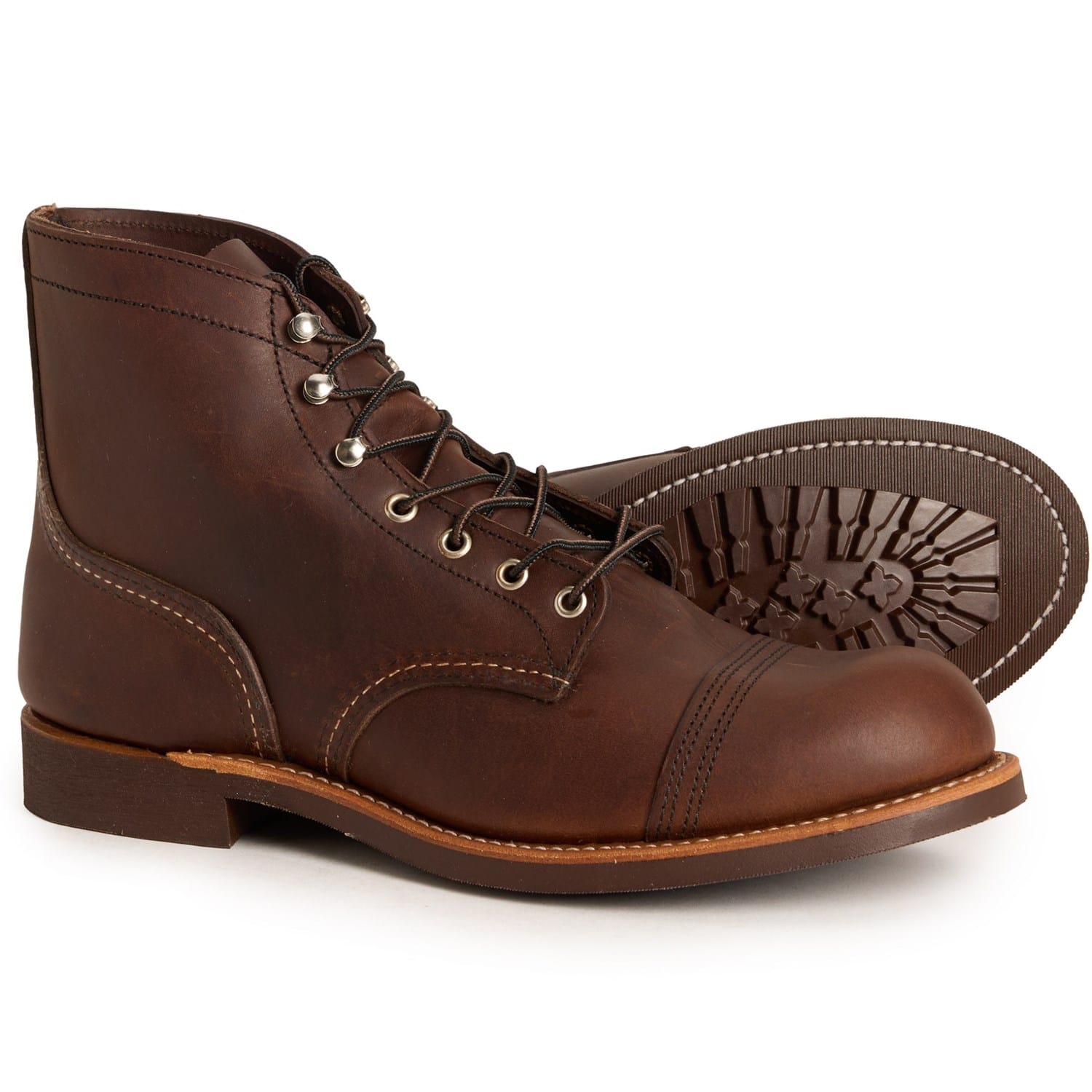
Red Wing Iron Ranger - Factory 2nds
Factory seconds are when a product doesn't quite meet standards but is still good enough to sell. Red Wing is known for making high quality 2nds, where it's hard to even tell why it's sold as a 2nd (will have a small hole punch in the tongue to indicate 2nds).
The biggest thing about this method of saving is having to go through the clearance and closeouts manually, but if you're doing this online it's a lot easier with filters.
These websites and outlets matter even if you're not dressing like you're in an outdoors adventure catalog — a lot of functionality and style overlap with heritage and Americana gear. Sometimes the materials might not match the heritage vibe, but that will ultimately depend on what you find.
A previous-season item is often basically the same garment, just in last year's color or fabric mix, or with slightly different stitching or garment pattern. If you're dressing for style and function rather than trend-chasing, that's pretty much perfect.
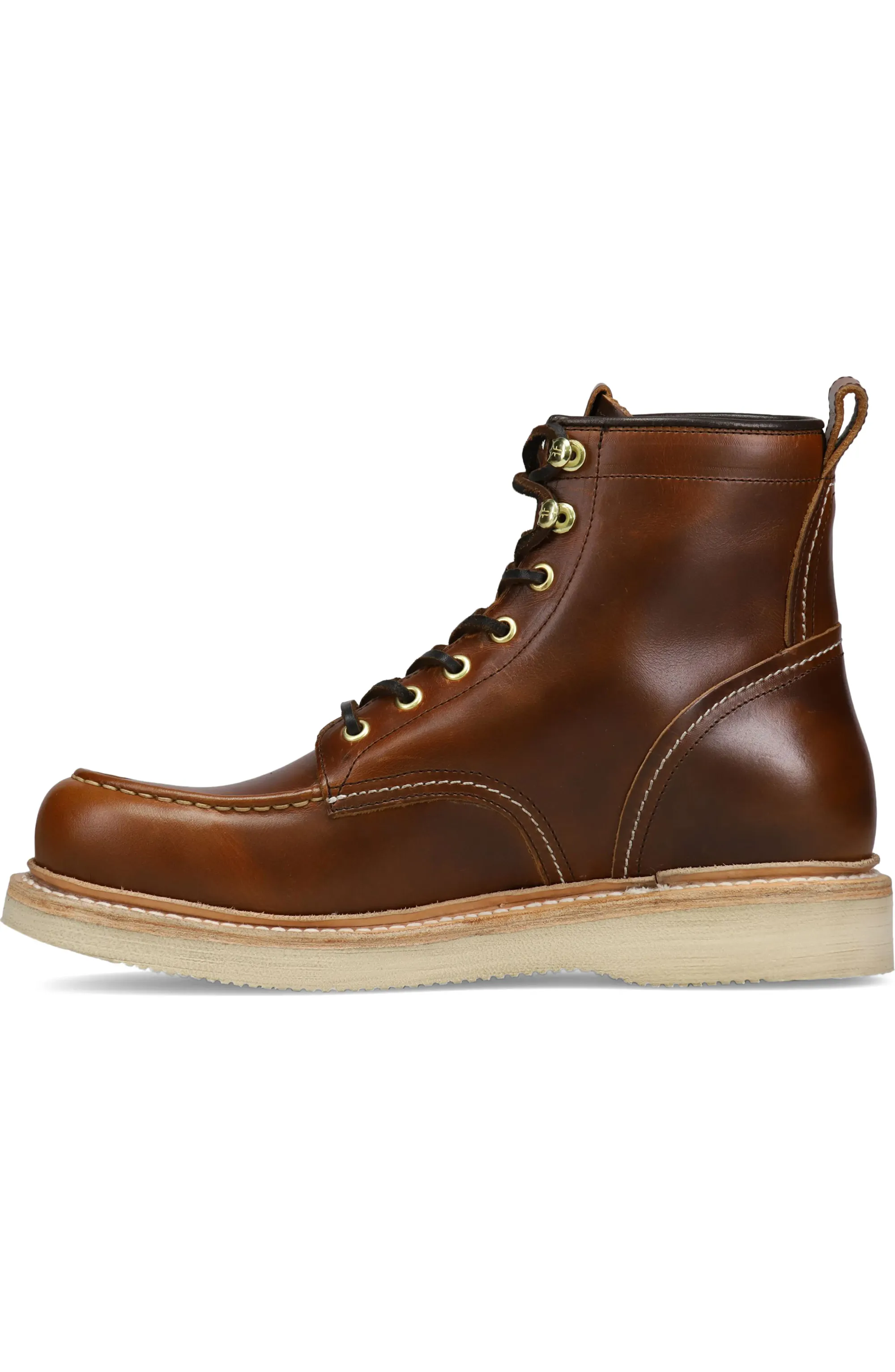
Frye - Hudson Work Boot
Steeply discounted, high-quality Goodyear welted boots (and other heritage-style clothes) can be found on websites like Nordstrom Rack.
Look for brands that lean toward the Americana look, it's easy to spot.
5) Stack discounts, coupons, and cashback
This one is a little controversial, especially in the space that Splished resides in.
This is called cookie hijacking: once you've allowed the extension to modify your browser, it places itself as the referral, which is how these companies have the ability to give you rewards!
I must always be honest with these things, so this section will remain as part of ways to save money on clothing. Because it can. — Bryan
I've been using things like Capital One Shopping (previously called Wikibuy) and Honey for years. These are free browser extensions that find the best deal on the product you're currently looking at.
For example, if you go to an Amazon.com listing with the Capital One Shopping extension loaded, you'll not only see if there's a better price elsewhere online, but you can also receive cashback after making the purchase.
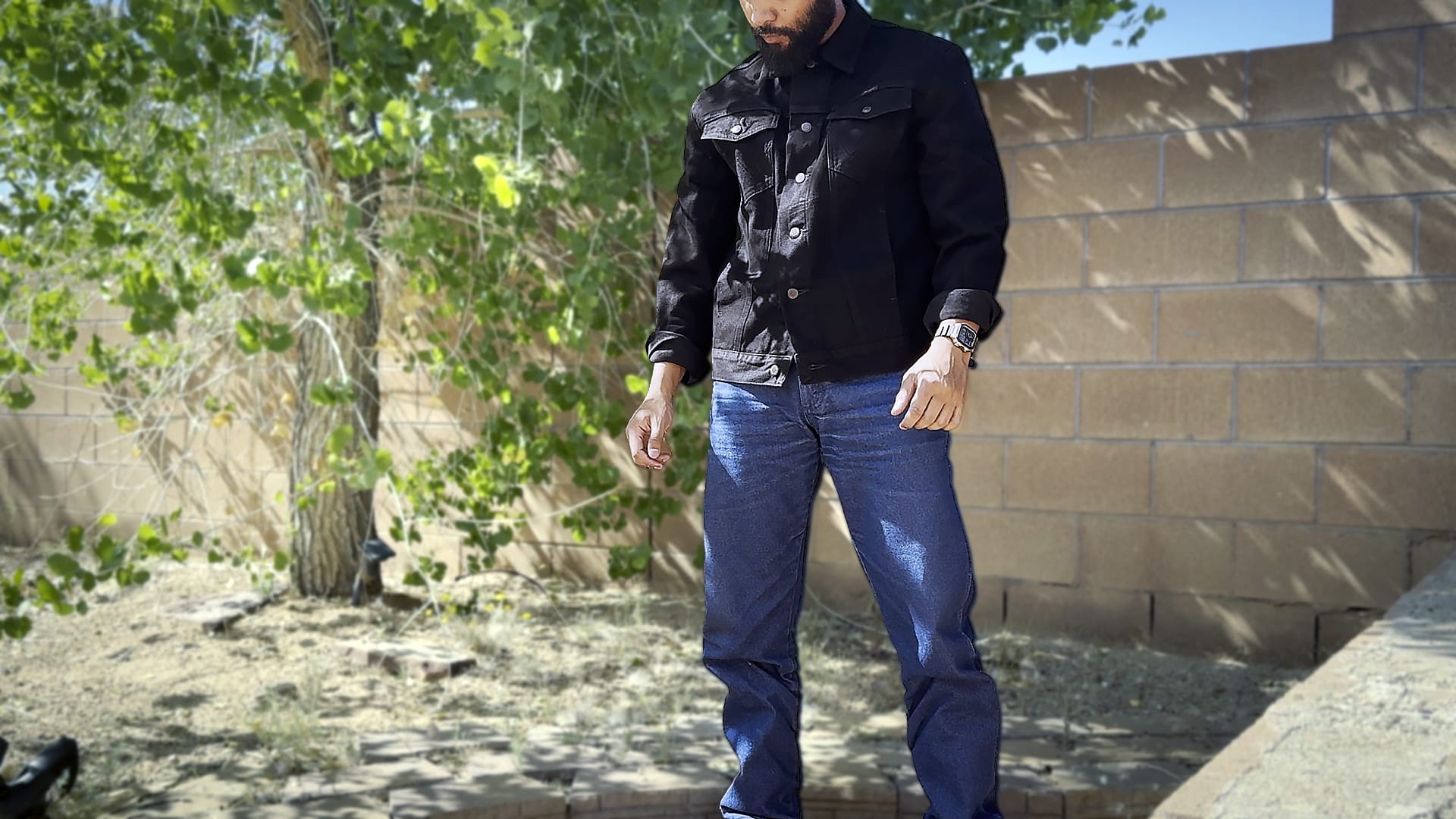
That's ultimately how I bought a pair of raw indigo Wrangler 13MWZ — the extension told me I could end up paying only $24 after a $9.6 return, and it did just that.
 Bryan
Bryan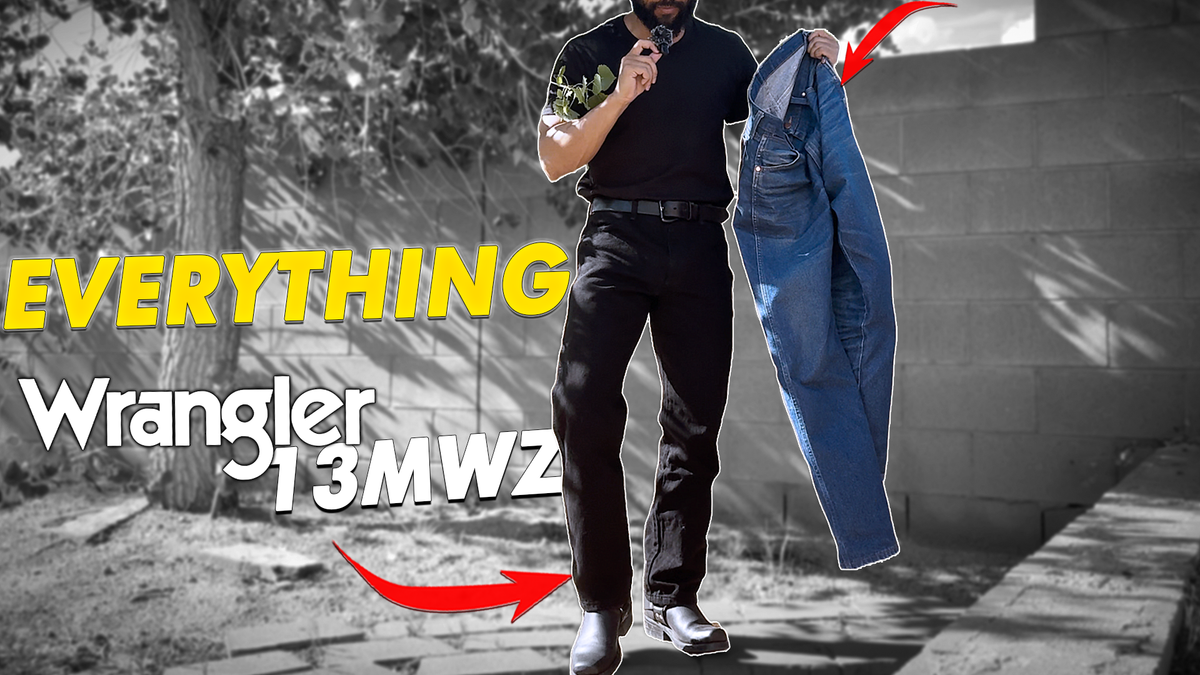
These free tools do these things for you:
- Tests coupon codes during checkout
- Compares prices on product pages
- Tracks price drops and pricing history
- Lets users earn cashback rewards
These extensions won't magically find the best possible deal every time, but it does mean you shouldn't be checking out empty-handed if a store has promo codes, cashback, or price-tracking available, to see if you're actually getting a deal.
Remember, companies can change their prices anytime. But pricing history will reflect whether they're being honest in their sales tactics.
How to use the extensions responsibly?
I personally only ever use extensions like Capital One Shopping and PayPal Honey when I know I haven't been referred to a site or product by someone else.
For instance: how did I land on that site just now? Was it another creator or influencer, a blog, or did I just go directly to the website?
Since I earn affiliate income myself, I think it's respectful to allow a creator to earn the money they actually earned: if someone teaches me about a product I had no idea about, and I buy it? I want them to have the monetary credit for it.
My general order of operations:
- check store sale section first
- see whether the item exists somewhere else cheaper
- try a coupon tool if necessary
- check cashback or rewards; if none, do not use extension
- only then buy
This sounds obvious, but most people reverse it. They get excited, they checkout fast, and then they realize later they could've saved another 10% to 20%, which really adds up when you like buying clothes.
6) Use Amazon the right way
Amazon isn't where I would go first for heritage brands (most of the best ones aren't on there at all), but it can still be useful if you understand what you're looking for.
The smartest way to use Amazon in this niche is not "find exact grail item" — it's "find a good-enough version for the look or function."
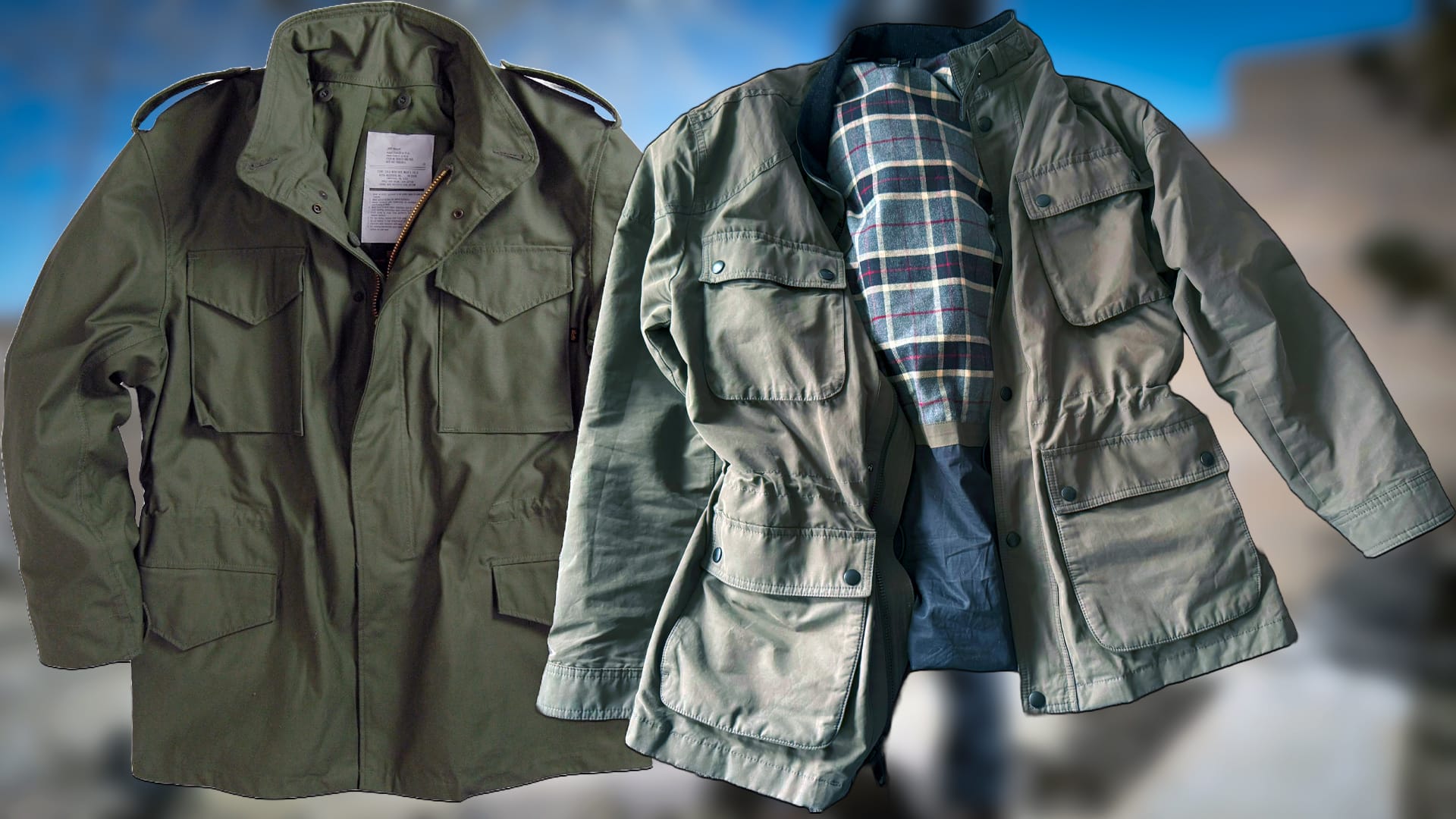
Maybe you don't need the most heritage-correct wool-lined canvas jacket on earth. Maybe you just want some of these things:
- a waxed-looking jacket
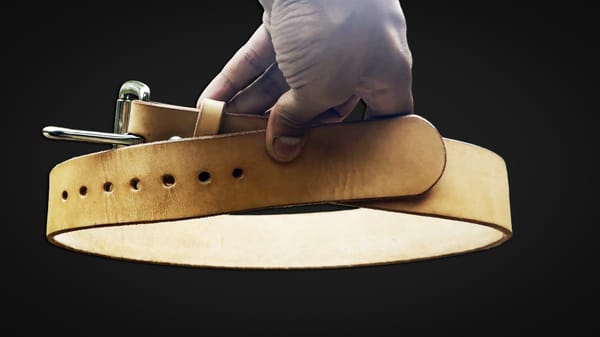
- a basic leather belt
- a thick henley
- a trucker-style jacket
- a flannel for layering
- a watch cap
- a simple pair of boot socks
That mindset will save a lot of money.
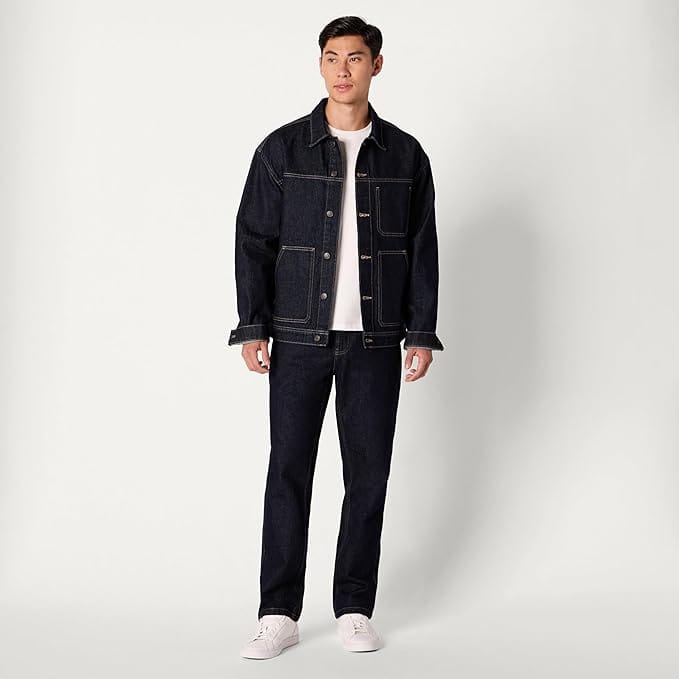
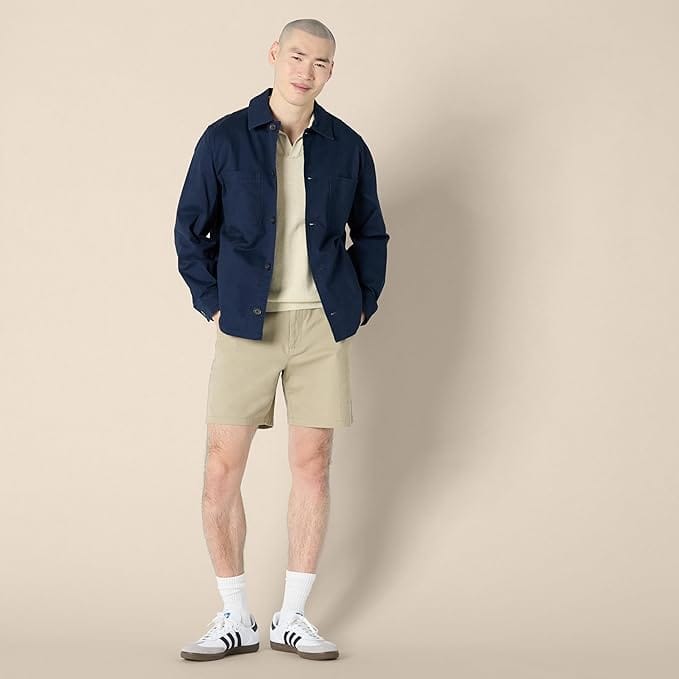
Two Amazon Essentials jackets: the rigid denim utility jacket and the cotton stretch utility jacket
This is especially true for accessories, layering basics, seasonal items, and experimental purchases. If you're not sure a certain look will become part of your actual rotation, there's no rule saying your first choice needs to be the expensive one.

Amazon Essentials: Style, made simple.
Use the cheaper piece to test the lane, especially if you're unsure if the style suits you. If you love it, upgrade and replace it later on.
7) Stop paying premium prices for things nobody notices, and even you don't see
The budget being dependent on the item is where a lot of people go wrong. They overspend on low-impact items and then don't have money left for the pieces that actually define their look and the experience it gives them.
Spend intentionally.
In most wardrobes, the higher-impact categories are:
- boots/shoes
- jeans/pants
- jackets
Lower-risk categories are usually things like:
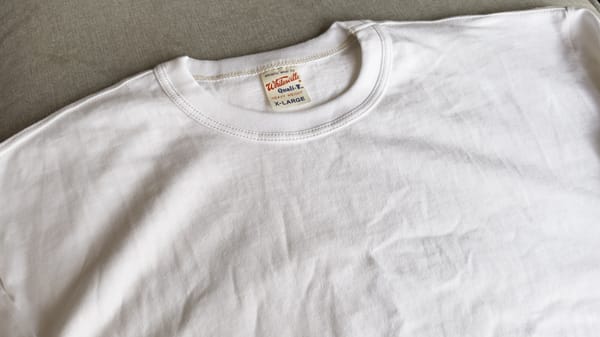
- t-shirts & thermals
- beanies/caps
- watches (I know I'll get some flak for this one)
That doesn't mean cheap out on things in the lower-risk categories. It means:
don't blow your budget on "approved" heritage versions of every item, simply because the branding sounds romantic or the name is popular.
A great jacket over a decent tee will almost always look better than a mediocre jacket over a very expensive tee, you know. It's just more impactful.
8) Shop by measurements, not hope
This is especially important on eBay and other marketplace platforms.
The reason people waste money on used clothing isn't always that they buy bad items — it's that they buy things that don't fit, then either never wear them or re-sell them at a loss.
If you want to actually save money, you need your own measurement cheat sheet, whether written or stored in your brain:
- Width on a jacket that fits you well (pit-to-pit) + actual chest measurement
- Approximate sleeve length
- Natural waist size and thigh width
- Brannock measurement for boots and shoes
Once you know your numbers, the used market becomes much safer to purchase from, because you'll only be buying what you know fits.
This sounds nerdy. It is nerdy. But it works, and it's easy. Don't skip this.
9) Use resale and trade-in ecosystems to fund upgrades
One of the best ways to save money on better clothing is to stop treating each purchase in isolation.
Patagonia's Worn Wear explicitly supports trade-ins and used resale, and plenty of other brands or marketplaces effectively create the same cycle through resale.
And of course, as mentioned consistently: sell your stuff on eBay.
The practical takeaway is this: when something no longer fits your style, move it along to someone that will appreciate it.
Sell the boots you never reach for, move the jacket that looked good in theory, but didn't quite meet your standard. Clear out the denim that never became your pair, and let it become someone else's.
Then roll that money into something better.
This is a much healthier approach than endlessly adding to the pile; it keeps your wardrobe tighter, helps fund upgrades, and makes each purchase feel more deliberate.
You also stop crapping on the Earth, so to speak.
10) Wait for the right buy, not to buy
This might be the biggest difference between people who build a great wardrobe affordably and people who unwillingly overspend: patient buyers win.
The right buy is not just "on sale." It's the combination of the right item, size, condition, season, and the right price.
Sometimes that means doing nothing for two weeks. Or even two months.
A lot of money gets wasted when people are technically shopping for one thing, but emotionally shopping for the feeling of getting something new.
If you can learn to enjoy the hunt, not just the checkout, you will save a lot.
Where to shop first
If you're starting from scratch, this is the order I'd use:
Used marketplaces
Start here for the biggest savings.
Clearance, outlet, and previous-season inventory
Best for buying new without paying peak retail.
- Marshalls, Sierra.com, REI Outlet, Taylor Stitch, Nordstrom Rack
- Sales, Last Call & Clearance sections
- Seasonal closeouts from retailers you already trust
Used and trade-in programs
Best for practical outerwear and utility-focused brands.
- Patagonia Worn Wear
- Other brand-operated used & trade-in sections

Crowdfunded or pre-order brands
Best when you know your size and can wait.
- WearGustin.com
- Similar fabric-first or batch-run brands

Final thoughts
You don't need to spend like a maniac to dress well in this space. You also do not need to become the world's most extreme bargain hunter.
You just need a system.
Check used first. Know your measurements. Be patient. Buy off-season. Stack discounts. Treat resale like part of the hobby, not a last resort. Spend more on the pieces that matter, less on the ones that don't, and stop confusing the "MSRP price" with real value.
That's how you save money without dressing cheap or looking like a trash bag wearing polyester-everything.
That's also how you end up with a better wardrobe.
 Bryan
Bryan
About the author Bryan